
Photography SEO Guide for Photographers: How to Rank Your Photography Website
Introduction
In today’s digital age, having a beautiful portfolio and excellent photography skills alone won’t guarantee a steady stream of clients. More than ever, photographers need to understand photography SEO—how to optimize their websites and online presence so that potential clients can find them easily through search engines like Google. Whether you’re a beginner just starting your photography business or a seasoned professional wanting to grow your client base, mastering SEO can be a game-changer.
Photography SEO is the practice of tailoring your website’s content, structure, and technical setup to improve its visibility in search engine results when people look for photography services online. Unlike general SEO tactics, photography SEO focuses on the unique aspects of a photography business—showcasing your portfolio, local services, client testimonials, and booking options in ways that search engines and users find valuable.
This guide will break down the essential steps to help you rank your photography website effectively. You’ll learn practical strategies like keyword research tailored to photography niches, optimizing your images and website speed, creating content that attracts and converts clients, and managing your online reputation. By following this guide, you will be able to increase your website traffic, attract the right clients, and ultimately grow your photography business sustainably.
SEO might sound technical or overwhelming, but this guide is written with photographers in mind, using clear language, actionable steps, and real-world examples. Whether your specialty is weddings, portraits, commercial, or fine art photography, this guide will help you get found online and turn visitors into paying clients.
Key Takeaways
– Photography SEO is about making your photography website easy to find and valuable for potential clients searching online.
– Start with keyword research to discover what potential clients are typing when looking for photographers in your niche and area.
– Optimize your website’s technical aspects, including site speed, mobile-friendliness, and image optimization to improve search rankings.
– Use on-page SEO by strategically placing keywords in titles, descriptions, headings, and throughout your content.
– Build a blog or resource section with helpful, client-focused articles to attract organic traffic and establish your expertise.
– Leverage local SEO by optimizing your Google My Business listing and encouraging client reviews to rank higher in local searches.
– Avoid common mistakes like keyword stuffing, slow website speed, poor mobile experience, and neglecting client reviews.
– Implement a simple, ongoing SEO workflow to monitor your website’s performance and adjust your strategy based on analytics.
– SEO is a long-term investment, but with consistent effort, you can steadily increase your website’s visibility and attract more clients online.
Main Content
What Is Photography SEO and Why Does It Matter?
Photographers often wonder, “What exactly is photography SEO, and why should I care?” Simply put, photography SEO is the practice of optimizing your photography website so it can rank higher in search engine results pages (SERPs) when people search for photography services. When done correctly, SEO helps you attract more qualified traffic—people who are actively looking for photographers like you.
For example, a bride searching for “wedding photographer in Denver” is more likely to find your website if you have optimized your content and local listings for those keywords. Without SEO, your beautifully designed website might remain invisible beneath hundreds of competitors.
SEO matters because:
– Most clients start their search online. Over 90% of consumers use search engines to find local services.
– Higher rankings lead to more clicks and inquiries. Websites on the first page of Google receive over 90% of search traffic.
– It builds long-term, sustainable visibility. Unlike paid ads, SEO’s effects compound over time.
– It increases your brand credibility and trust. Websites that rank higher are perceived as more trustworthy.
Photography SEO is not just about attracting traffic—it’s about attracting the right traffic that converts into paying clients. By understanding what potential clients search for and how to present your photography business online, you create a clear path from discovery to booking.
How to Find the Right Keywords for Your Photography Website
Keyword research is the foundation of any effective SEO strategy. For photographers, this means identifying the search terms your ideal clients use when looking for photography services.
Here’s a step-by-step approach to finding the right keywords:
1. Brainstorm Your Services and Niches: Write down all the photography types you offer (e.g., wedding photography, newborn portraits, commercial photography) and the locations you serve.
2. Use Keyword Research Tools: Utilize free or paid tools like Google Keyword Planner, Ubersuggest, or Answer The Public to find search volume and related keywords. For example, type “wedding photographer” and see variations like “affordable wedding photographer,” “best wedding photographer near me,” or “wedding photographer in [city].”
3. Focus on Long-Tail Keywords: These are longer, more specific phrases that have lower competition but higher intent. For example, “outdoor family photography in Austin TX” is a long-tail keyword that attracts highly targeted clients.
4. Consider Search Intent: Understand what the user wants—are they looking for inspiration, pricing, booking information, or reviews? Tailor your keywords and content to meet those intents.
5. Analyze Competitors: Search your keywords and note which photographers rank on the first page. Analyze their website content and keyword usage for ideas.
6. Create a Keyword List: Organize your keywords by category and prioritize based on search volume, relevance, and competition.
Example:
If you’re a wedding photographer in Chicago, your keyword list might include:
– Wedding photographer Chicago
– Affordable wedding photography Chicago
– Best wedding photographer near me
– Chicago engagement photography
– Wedding photo packages Chicago
How to Optimize Your Photography Website for Search Engines
Once you have your keywords, the next step is to optimize your website’s pages to rank well. This includes both on-page SEO and technical SEO.
On-Page SEO Tips:
– Use Keywords in Key Places: Include your primary keyword naturally in the page title, meta description, URL, headers (H1, H2), and throughout your content.
– Write Clear, Client-Focused Copy: Explain your services, showcase your portfolio, and include calls to action (e.g., “Contact me for your wedding photography”).
– Optimize Image Alt Text: Describe each photo using relevant keywords. For example, “outdoor wedding ceremony in Central Park New York.”
– Create Unique Page Titles and Meta Descriptions: These snippets show up in search results and influence click-through rates.
Technical SEO Tips:
– Ensure Your Site Is Mobile-Friendly: Many clients search on their phones. Use responsive design that adapts to all screen sizes.
– Improve Site Speed: Compress images, use caching plugins, and choose a reliable hosting provider. Slow sites lose visitors and rankings.
– Use a Clear Site Structure: Organize pages logically with easy navigation. For example, have separate pages for “Weddings,” “Portraits,” “Commercial,” etc.
– Implement SSL: Secure your site with HTTPS to build trust and meet Google’s ranking preferences.
– Create an XML Sitemap: Submit it to Google Search Console to help search engines crawl your site efficiently.
By combining on-page and technical SEO best practices, you increase your chances of ranking higher and providing a better user experience, which search engines prioritize.
How to Use Content Marketing and Blogging to Boost Your Photography SEO
A blog or resource section on your photography website is a powerful SEO tool. It allows you to target additional keywords, educate potential clients, and demonstrate your expertise.
Why Blog for Photography SEO?
– You can target long-tail keywords that clients search for, such as “what to wear for family photos” or “best locations for engagement photos in Seattle.”
– Blogging helps build trust by answering common client questions.
– Fresh content signals to Google that your site is active and relevant.
– You can share blog posts on social media and in newsletters, driving traffic to your site.
How to Start Blogging Effectively:
1. Plan Your Topics: Use your keyword list and client FAQs to generate blog ideas. For example, “5 Tips for Stress-Free Wedding Day Photography” or “How to Prepare for a Newborn Photo Session.”
2. Write Helpful, Client-Focused Posts: Focus on providing value rather than just promoting your services.
3. Include Relevant Keywords Naturally: Use your target keywords in titles, headers, and body text without overstuffing.
4. Use High-Quality Images: Showcase your work within blog posts, but optimize images for fast loading.
5. Add Calls to Action: Encourage readers to contact you for bookings or consultations.
6. Promote Your Blog: Share posts on social media, photography forums, and email newsletters to increase visibility.
Example:
A portrait photographer in Portland writes a blog titled “Top 7 Outdoor Locations for Family Photos in Portland.” This post ranks for local search terms and attracts families planning photo shoots, leading to inquiries and bookings.
Leveraging Local SEO to Attract Clients in Your Area
For most photographers, local clients are the bread and butter. Optimizing for local SEO ensures that when someone searches for photography services “near me” or in your city, your business shows up prominently.
Steps to Improve Local SEO:
– Create and Optimize Your Google My Business (GMB) Listing:
– Complete all fields: business name, address, phone number, website, hours, and description.
– Add high-quality images of your work and studio.
– Use relevant categories like “Wedding Photographer” or “Portrait Photographer.”
– Regularly update posts or offers on your GMB profile.
– Encourage Client Reviews:
Positive reviews boost local rankings and social proof. Ask satisfied clients to leave reviews on Google, Yelp, and Facebook. Respond professionally to all reviews.
– Use Local Keywords:
Incorporate your city or neighborhood in your website content, meta tags, and blog posts. For example, “Atlanta newborn photographer” or “family photos in Brooklyn.”
– Get Listed in Local Directories:
Submit your website to photography directories, local business listings, and chamber of commerce pages.
– Embed a Google Map on Your Contact Page:
This helps search engines associate your business with your physical location.
Case Study:
A wedding photographer in Dallas optimized their GMB listing, regularly posted updates, and encouraged reviews. Within six months, their website traffic from local searches increased by 40%, and inquiries doubled.
How to Optimize Your Photography Images for SEO Without Losing Quality
Since photography websites are image-heavy, optimizing photos is critical to both SEO and user experience. Large, slow-loading images can hurt your rankings and frustrate visitors.
Here’s how to optimize images effectively:
– Choose the Right File Format:
Use JPEG for photos (balance of quality and size) and PNG for graphics or logos.
– Resize Images:
Avoid uploading massive images directly from your camera. Resize them to the maximum display size needed on your site (e.g., 1200px wide for blog images).
– Compress Images:
Use tools like TinyPNG, ImageOptim, or plugins like Smush to reduce file size without noticeable quality loss.
– Use Descriptive File Names:
Rename files to describe the image with keywords, e.g., “san-francisco-wedding-ceremony.jpg” instead of “IMG_1234.jpg.”
– Add Alt Text:
Write descriptive alt text including relevant keywords to improve accessibility and help search engines understand the image content.
– Use Lazy Loading:
Implement lazy loading so images load only as users scroll down, improving page speed.
Example:
A landscape photographer optimized their portfolio images by resizing and compressing them, which reduced page load time by 50%. This improvement boosted their Google ranking and increased visitor engagement.
How to Build Backlinks and Increase Your Website Authority
Backlinks—links from other websites to yours—are a major factor in search engine rankings. Search engines view backlinks as votes of confidence, signaling that your site is trustworthy and relevant.
Here’s how photographers can build backlinks ethically:
– Get Featured on Local Blogs or Wedding Directories:
Reach out to wedding planners, venues, or local bloggers to feature your work or collaborate on styled shoots.
– Guest Post on Relevant Websites:
Write articles for photography-related blogs or local business sites with a link back to your site.
– Participate in Photography Communities:
Share your work and expertise on forums and social media groups with links to your portfolio when appropriate.
– Create Link-Worthy Content:
Publish helpful guides, checklists, or infographics that others want to reference.
– Network with Other Vendors:
Build relationships with florists, event planners, and makeup artists who can link to your site from their websites.
Note: Avoid buying links or using spammy tactics, as these can hurt your SEO.
Example:
A wedding photographer collaborated with a popular bridal blog for a styled shoot feature. The blog linked to their website, which improved their domain authority and helped them rank higher for competitive keywords.
How to Track and Measure Your Photography SEO Success
SEO is an ongoing process. Tracking your efforts helps you understand what’s working and where to improve.
Essential tools and metrics include:
– Google Analytics:
Track website traffic, user behavior, and conversion rates. Monitor which pages attract the most visitors and how long they stay.
– Google Search Console:
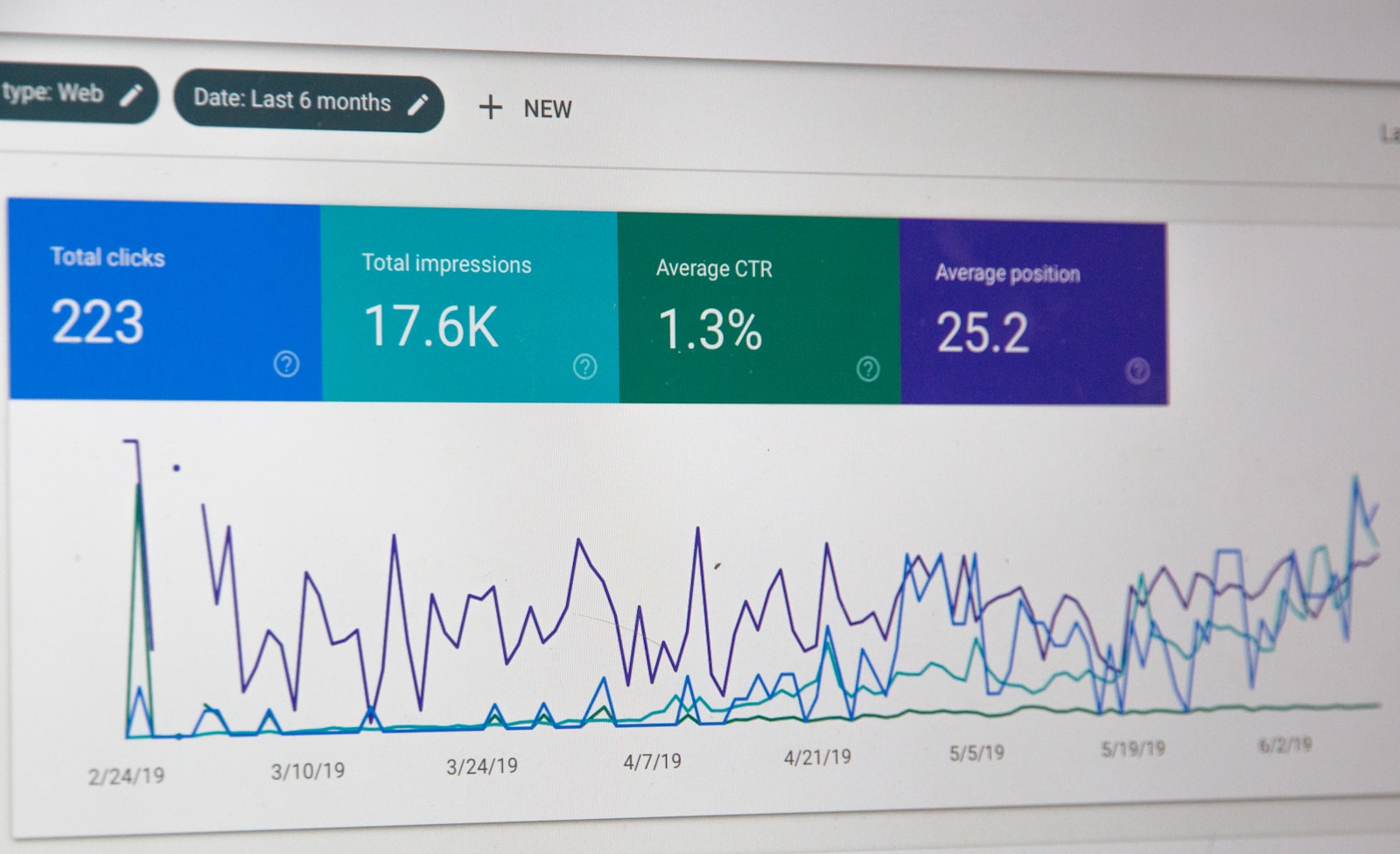
See which keywords bring traffic, your average search position, click-through rates, and any technical issues.
– Keyword Ranking Tools:
Use tools like Ubersuggest, SEMrush, or Ahrefs to monitor your keyword rankings over time.
– Local SEO Tools:
Track your Google My Business insights to see how users find and interact with your listing.
Key Metrics to Watch:
– Organic traffic growth
– Keyword ranking improvements
– Bounce rate (lower is better)
– Conversion rate (inquiries or bookings from website visitors)
– Number and quality of backlinks
– Local search visibility and reviews
Set realistic goals and review your data monthly. Use insights to tweak your content, keywords, or site structure. SEO improvements often take several months to show results, so patience and consistency are key.
Common Mistakes Photographers Make with SEO

Many photographers dive into SEO without a clear plan, leading to common pitfalls that waste time and money. Here are mistakes to avoid:
1. Ignoring Keyword Research:
Publishing content without understanding what potential clients search for means your effort won’t attract relevant visitors.
2. Keyword Stuffing:
Overusing keywords makes content unreadable and can result in search engine penalties.
3. Neglecting Mobile Optimization:
With most searches on mobile devices, a non-responsive site drives visitors away and harms rankings.
4. Using Large, Unoptimized Images:
Slow-loading pages frustrate users and lower search rankings.
5. Not Claiming or Optimizing Google My Business:
Missing out on local search visibility and easy client reviews.
6. Ignoring Client Reviews:
Reviews build trust and improve local SEO. Not requesting or responding to them can cost you clients.
7. Lack of Consistent Content Updates:
A stagnant website signals inactivity to search engines.
8. Using Poor Quality or Duplicate Content:
Copying content from other sites or having thin pages reduces your SEO value.
9. Forgetting Calls to Action:
Ranking well is just part of the battle—you need clear prompts to convert visitors into clients.
Avoiding these mistakes requires planning, patience, and ongoing effort but will pay off with better rankings and more bookings.
What to Do Now: Your Photography SEO Action Plan
Ready to improve your photography SEO but unsure where to start? Here’s a simple, actionable plan to get your website ranking and attracting clients:
1. Conduct Keyword Research Today:
Spend an hour brainstorming your services and location keywords. Use free tools like Google Keyword Planner or Ubersuggest to build a prioritized list.
2. Optimize Your Homepage and Key Service Pages:
Incorporate your primary keywords into titles, meta descriptions, headers, and natural body text. Add alt text to your images.
3. Set Up or Update Google My Business:
Claim your listing, add complete info, upload photos, and ask past clients for reviews.
4. Improve Website Speed and Mobile Experience:
Test your site with Google’s PageSpeed Insights and Mobile-Friendly Test. Compress images and fix any issues.
5. Start a Blog:
Write your first client-focused post targeting a long-tail keyword. Share it on social media.
6. Build Backlinks:
Reach out to local vendors or bloggers for collaboration opportunities or guest posts.
7. Track Your Progress:
Set up Google Analytics and Search Console. Review traffic and rankings monthly.
8. Ask for Client Reviews Regularly:
After each shoot, send a polite request with instructions on how to leave a Google review.
9. Stay Consistent:
Schedule monthly SEO tasks—content creation, updates, and outreach.
By following these steps consistently, you will see gradual improvements in your website’s search rankings and an increase in inquiries. Remember, SEO is a marathon, not a sprint.
FAQs
Q1: How long does it take to see results from photography SEO?
SEO is a long-term strategy. Typically, you can start seeing noticeable improvements in search rankings and traffic within 3 to 6 months, depending on competition and how consistently you optimize your site. Some local SEO improvements, like Google My Business optimizations, can yield quicker results. Patience and regular updates are key to long-term success.
Q2: Do I need to hire an SEO expert, or can I do it myself?
Many photographers can handle basic photography SEO themselves using free tools and guides like this one. However, if you have a larger site, intense competition, or limited time, hiring an SEO professional may accelerate results. The important part is understanding the basics so you can manage or evaluate any SEO work done on your behalf.
Q3: What’s more important for photography SEO—content or backlinks?
Both are important. Content helps you target the right keywords and engage visitors, while backlinks build your site’s authority and trustworthiness in search engines’ eyes. Focus first on creating high-quality, client-focused content, then work on building relevant backlinks through collaborations and features.
Q4: How often should I update my photography website for SEO?
Aim to update or add new content at least once a month. Regular updates signal to search engines that your site is active. Additionally, keep your portfolio current, refresh meta tags annually, and continuously collect client reviews to maintain strong SEO performance.
Q5: Can social media help with photography SEO?
While social media links are typically “nofollow” and don’t directly impact SEO rankings, social media platforms drive traffic to your website, increase brand awareness, and can indirectly improve your SEO by increasing engagement and backlinks. Share blog posts, portfolio updates, and client testimonials on social media as part of your overall marketing strategy.
Conclusion
Understanding and implementing photography SEO is essential for any photographer serious about growing their business online. SEO is not just a technical task; it’s a strategic approach that helps your website get discovered by the right clients at the right time. By focusing on targeted keyword research, website optimization, local SEO, content marketing, and backlink building, you create a strong foundation for sustainable growth.
Remember, SEO takes time and consistent effort. It requires patience and a willingness to learn and adapt as search engines evolve. But the payoff is worth it—steady, organic traffic, higher search rankings, and more clients trusting you for their photography needs.
Start with the basics outlined in this guide: research your keywords, optimize your site, claim your Google My Business listing, and create valuable content your clients want to read. Track your progress and refine your strategy regularly.
If you invest in photography SEO today, you’ll build a visible, credible online presence that supports your creative passion and business goals for years to come. Don’t let your fantastic photography skills go unnoticed—use SEO to shine in the crowded digital marketplace and watch your photography business thrive.
—
This comprehensive photography SEO guide provides the practical, step-by-step strategies photographers need to rank their websites effectively and attract more clients online.

