
Best Lenses for Portrait Photography: A Complete Guide for Photographers
Meta Description:
Discover the best portrait lenses for stunning portraits. Compare 50mm vs 85mm portrait lenses and learn how to choose the perfect lens for your photography style and business success.
Slug:
best-portrait-lenses
Introduction
Portrait photography is one of the most rewarding genres — capturing a person’s essence, personality, and emotion in a single frame is a skill that every photographer strives to perfect. But beyond lighting, posing, and connection, the choice of lens plays a pivotal role in shaping your portraits. Using the right lens can dramatically improve image quality, background separation, and the overall mood of your photos.
If you’ve ever found yourself wondering “What are the best portrait lenses?” or “Should I use a 50mm or 85mm lens for portraits?” you’re not alone. These questions are common among beginner photographers stepping up their game and professionals refining their gear choices. Selecting the right portrait lens involves understanding focal lengths, aperture, sensor size, and even how your working environment shapes your lens needs.
In this guide, we’ll break down the best portrait lenses on the market, compare popular options like 50mm vs 85mm lenses, and provide practical advice to help you make informed decisions. Whether you’re shooting in a studio, outdoors, or at client locations, this comprehensive article will give you the knowledge to choose lenses that elevate your portraits and enhance your photography business.
We’ll also discuss how lens choice affects your workflow, client experience, and final image impact — because great portraits don’t just happen; they’re crafted with intention, skill, and the right tools.
Key Takeaways
Choosing the best portrait lenses is essential for creating professional, compelling images that attract clients and build your photography business. Understanding the differences between focal lengths like 50mm and 85mm will help you select a lens that suits your style and shooting environment.
Wide apertures (like f/1.2, f/1.4, or f/1.8) allow for beautiful background blur (bokeh), helping your subject stand out. However, lens sharpness, autofocus performance, and handling are just as critical in real-world shooting scenarios.
Portrait lens comparison is not just about specs — it’s about how a lens performs with your camera system, the kind of portraits you shoot (headshots, full-body, environmental), and your working distance from the subject.
Investing in the right portrait lens improves workflow efficiency, client satisfaction, and ultimately your portfolio quality, setting you apart in a competitive market.
This guide offers actionable advice on lens choices, including practical examples and step-by-step tips for beginners and working photographers alike.
Main Content
What Makes a Lens Ideal for Portrait Photography?
When photographers ask, “What are the best portrait lenses?” it’s important to first understand what characteristics make a lens suitable for portraiture.
Focal Length: Portrait lenses typically fall within the 50mm to 135mm range on full-frame cameras. This range allows you to maintain a comfortable distance from your subject while avoiding distortion that can alter facial features. Shorter focal lengths (below 50mm) tend to exaggerate facial features, while longer focal lengths compress them, producing a flattering perspective.
Aperture: A wide aperture (low f-number) like f/1.2 to f/2.8 is desirable for portraits. It lets in more light for shooting in low-light conditions and creates a shallow depth of field, blurring the background and isolating the subject.
Optical Quality: Sharpness, minimal chromatic aberration, and pleasing bokeh are important. Portrait lenses should render skin tones naturally and produce smooth out-of-focus areas.
Autofocus Performance: Reliable and fast autofocus is critical, especially for professional photographers working with clients. A lens that hunts for focus can cause missed shots and slow down your workflow.
Size and Weight: For photographers on location, a compact and lightweight lens can make shooting less cumbersome, while studio photographers might prioritize optical quality over portability.
Sensor Compatibility: Crop sensor cameras effectively change the focal length of lenses, so understanding how your lens performs on your camera body is essential.
Practical Example:
Imagine shooting a wedding portrait session outdoors in the late afternoon. You want a lens that can quickly autofocus as the bride moves naturally, create beautiful background separation to hide distractions, and render skin tones softly. A fast 85mm f/1.4 lens on a full-frame camera might be ideal here, offering flattering compression and creamy bokeh.
50mm vs 85mm Portrait Lens: Which One Should You Choose?
One of the most common portrait lens comparisons is between the 50mm and 85mm lenses. Both are popular choices but serve different shooting needs.
50mm Portrait Lenses:
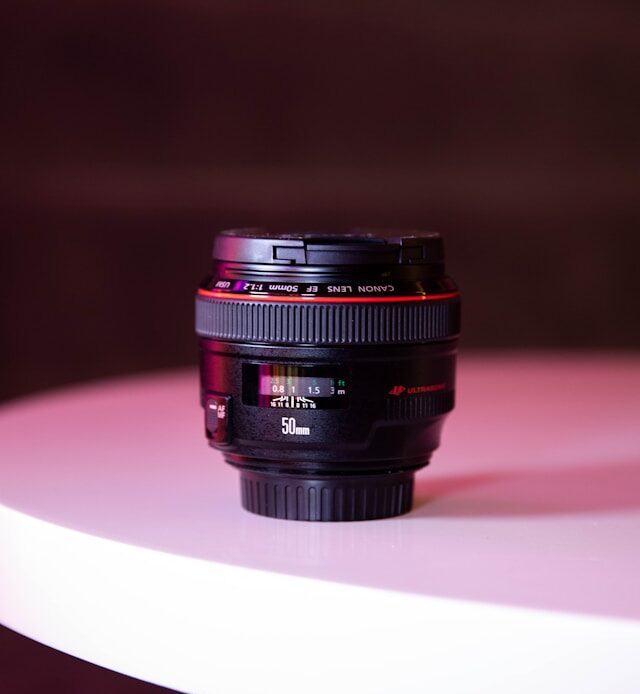
Often called the “nifty fifty,” the 50mm lens is versatile and affordable. On a full-frame camera, it provides a natural field of view similar to the human eye, making it suitable for environmental portraits and casual sessions. On crop sensors (APS-C), it acts more like an 80mm lens, which is excellent for tighter headshots.
Advantages:
– Lightweight and compact
– Generally more affordable than 85mm lenses
– Wider field of view allows for environmental portraits
– Good for shooting in tighter spaces
Limitations:
– Slightly less compression, which can exaggerate facial features if shooting too close
– Background separation can be less pronounced compared to longer lenses
85mm Portrait Lenses:
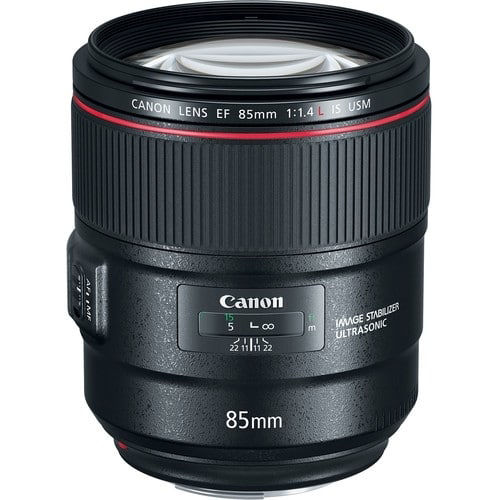
The 85mm lens is often considered the “portrait king” due to its flattering focal length that compresses features and isolates the subject beautifully. It’s a favorite among professional portrait photographers for studio and outdoor shoots.
Advantages:
– Excellent subject-background separation and compression
– Produces flattering facial proportions
– Wide apertures often available (f/1.2, f/1.4) for creamy bokeh
– Longer working distance allows for more comfortable subject interaction
Limitations:
– Heavier and bulkier than 50mm lenses
– Requires more space to shoot full-body portraits
– Usually higher price point
Practical Scenario:
Suppose you’re shooting headshots in a small indoor studio. The 85mm lens allows you to stand a comfortable distance away from your client, avoiding distortion and creating beautiful background blur. Conversely, if you’re photographing families in a cozy living room, the 50mm lens might be more practical due to space constraints.
Actionable Tip:
If budget and space allow, investing in both lenses is ideal — use the 50mm for versatile, environmental portraits and the 85mm for classic headshots with stunning bokeh.
Understanding Aperture and Depth of Field for Portraits
Aperture and depth of field (DoF) are critical concepts when selecting and using portrait lenses.
Aperture:
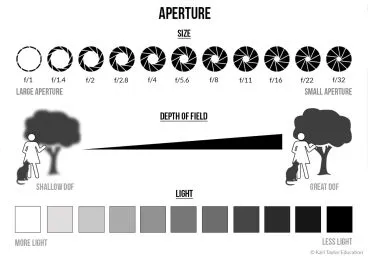
The aperture is the opening in the lens that controls how much light enters the camera. It’s measured in f-stops (e.g., f/1.4, f/2.8, f/16). Lower numbers mean a wider aperture, which allows more light and creates a shallower depth of field.
Depth of Field:
DoF refers to the range of distance within a photo that appears acceptably sharp. In portraits, a shallow DoF blurs the background, making the subject pop.
Why is this important?
Portrait photographers often want to isolate the subject by keeping only their eyes and face in sharp focus while the background melts away. This creates a professional, polished look and minimizes distractions.
Practical Example:
Using an 85mm lens at f/1.4, you can achieve a very shallow DoF where the subject’s eyes are razor sharp and the background is a creamy blur. Shooting at f/4, more of the subject and background will be in focus, which might be useful for group portraits or environmental storytelling.
Actionable Advice:
– Shoot wide open (lowest f-number) for single-subject headshots and artistic portraits.
– Stop down to f/2.8-f/4 for groups or when you want more of the scene in focus.
– Always focus on the eyes — this is critical when using shallow DoF lenses.
How Sensor Size Affects Your Portrait Lens Choices
Sensor size is a technical but important factor influencing lens focal length and field of view.
Full-Frame vs Crop Sensors:
Most professional photographers use full-frame cameras, which have a sensor size roughly equivalent to 35mm film. Crop sensor cameras (APS-C or Micro Four Thirds) have smaller sensors that effectively “crop” the image, making lenses appear to have a longer focal length.
Crop Factor:
– APS-C sensors generally have a 1.5x or 1.6x crop factor.
– Micro Four Thirds cameras have a 2x crop factor.
Effect on Portrait Lenses:
A 50mm lens on a crop sensor behaves like a 75-80mm lens on a full-frame — effectively shifting it into a classic portrait focal length. This means a 50mm lens on crop sensors is often the go-to portrait lens.
Practical Scenario:
If you shoot portraits with an APS-C camera, a 50mm f/1.8 lens will give you similar framing and compression to an 85mm lens on full-frame, but at a fraction of the cost and size.
Actionable Tip:
Match your lens choice to your sensor size to achieve the desired portrait look. Use online crop factor calculators or test by shooting subjects at different distances.
Prime vs Zoom Lenses for Portrait Photography
Another common question photographers face is whether to invest in prime lenses or zoom lenses for portrait work.
Prime Lenses:
Prime lenses have a fixed focal length (e.g., 50mm, 85mm). They often offer superior image quality, wider apertures, and faster autofocus compared to zooms.
Advantages:
– Sharper images with less distortion
– Wider maximum apertures (f/1.2 to f/2.8) for better low-light performance and bokeh
– Usually lighter and more compact
Disadvantages:
– Less flexible framing; you must physically move to adjust composition
– May need to carry multiple primes for different focal lengths
Zoom Lenses:
Zoom lenses cover a range of focal lengths (e.g., 24-70mm f/2.8). They offer versatility and convenience, especially when working in dynamic environments.
Advantages:
– Quickly adjust framing without moving
– Useful for event or on-location shoots with changing scenes
– Fewer lenses to carry
Disadvantages:
– Typically slower maximum apertures (f/2.8 or smaller)
– Slightly lower image quality and bokeh quality compared to primes
– Heavier and bulkier
Practical Example:
Wedding photographers often use a 70-200mm f/2.8 zoom for portraits because it offers flexibility for candid shots and headshots without swapping lenses. Studio photographers may prefer primes like an 85mm f/1.4 for ultimate image quality.
Actionable Advice:
If you’re starting out, invest in a fast prime lens first (50mm or 85mm) to learn composition and depth of field control. Add zoom lenses as your style and shoot requirements evolve.
How to Choose the Best Portrait Lens for Your Photography Business
Choosing the best portrait lenses is not just about optics; it directly impacts your business workflow and client experience.
Consider Your Style and Niche:
– Do you specialize in headshots, family portraits, or environmental portraits?
– Do you shoot mostly indoors or outdoors?
– How much space do you have for shooting?
Budget and Investment:
High-end lenses can be pricey but often pay off with better image quality and reliability. Factor in your business revenue and client expectations when purchasing gear.
Lens Compatibility:
Make sure your lens is compatible with your camera body and supports features like eye-detect autofocus, which speeds up workflow.
Portability and Comfort:
If you frequently shoot on location, a lightweight lens reduces fatigue. Studio photographers might prioritize optical quality over size.
Client Interaction:
Longer lenses (85mm+) allow you to keep distance, making subjects feel more relaxed. This can lead to more natural expressions.
Practical Framework:
1. Define your primary portrait style and shooting conditions.
2. Research lenses that suit your camera system and budget.
3. Rent lenses when possible to test before buying.
4. Prioritize lenses with wide apertures and reliable autofocus.
5. Consider lens weight and handling for your shooting style.
Caring for Your Portrait Lenses: Maintenance and Handling Tips
Your portrait lenses are an investment requiring care to maintain optical quality and prolong lifespan.
Cleaning:
– Use a blower brush to remove dust.
– Clean lens elements gently with microfiber cloth and lens cleaner.
– Avoid touching lens glass with fingers.
Storage:
– Store lenses in padded camera bags or dedicated cases.
– Use silica gel packs to reduce moisture.
– Keep lens caps on when not in use.
Handling:
– Avoid changing lenses in dusty or windy environments.
– Use lens hoods to protect from scratches and reduce flare.
– Be mindful of autofocus mechanisms — don’t force focus rings.
Practical Example:
After a portrait session at a beach, clean your lens immediately to remove sand and salt residue, which can damage coatings.
Actionable Advice:
Regularly inspect your lenses for fungus or haze, especially if shooting in humid conditions. Schedule professional servicing every 1–2 years if you use lenses heavily.
Common Mistakes
Selecting the right portrait lens can be tricky, and many photographers fall into common pitfalls. Avoid these mistakes to improve your portraits and client satisfaction.
Mistake 1: Using Too Wide a Lens for Close Portraits
Wide-angle lenses (below 50mm) used too close to the subject cause distortion — noses appear larger, and facial features can look unnatural. This can make portraits unflattering.
Mistake 2: Ignoring Aperture and Depth of Field
Shooting portraits at small apertures (like f/8 or higher) without reason results in flat images with distracting backgrounds. Conversely, shooting wide open without focusing carefully can cause out-of-focus eyes.
Mistake 3: Overlooking Autofocus Performance
Using lenses with slow or inaccurate autofocus leads to missed shots, frustrating both photographer and client. Fast, reliable autofocus is non-negotiable in professional portrait work.
Mistake 4: Not Considering Working Distance
Choosing a lens that forces you too close or too far from your subject can hinder communication and comfort. For example, an 85mm lens isn’t ideal in tight spaces.
Mistake 5: Buying Based on Brand Hype or Price Alone
The most expensive lens isn’t always the best choice for your style or camera system. Research and hands-on testing trump marketing claims.
Mistake 6: Neglecting to Match Lens to Sensor Size
Using full-frame lenses on crop sensors without understanding crop factor leads to unexpected framing and composition issues.
Mistake 7: Skimping on Lens Care
Ignoring cleaning and proper storage damages lens coatings and reduces image quality over time.
By avoiding these mistakes, you’ll enhance your portraits’ quality and streamline your shooting process.
What to Do Now
Now that you understand the best portrait lenses and how to choose between options like 50mm vs 85mm, here’s a straightforward action plan to improve your portrait photography gear and skills:
1. Evaluate Your Current Gear:
Look at your existing lenses and identify their strengths and weaknesses for portrait work. Are you missing a fast prime or a lens with the right focal length?
2. Define Your Portrait Style and Shooting Environment:
Write down the types of portraits you shoot most often and the typical locations. This will guide your lens choice.
3. Test Lenses Before Buying:
Rent or borrow lenses if possible. Shoot sample portraits to see how the lens renders skin tones, bokeh, and handles autofocus.
4. Invest in a Fast Prime Lens:
If you don’t already have one, a 50mm f/1.8 or 85mm f/1.8 prime lens is a great start for portraiture. It’s affordable and teaches essential depth of field control.
5. Practice Aperture and Focus Control:
Spend time mastering how aperture affects background blur and how to focus precisely on your subject’s eyes, especially at wide apertures.
6. Consider Your Business Needs:
Factor in client expectations, shooting pace, and portability. If you shoot events or weddings, a zoom lens like 70-200mm f/2.8 might complement your primes.
7. Maintain Your Lenses:
Create a cleaning and storage routine to keep your lenses in top condition.
By following this plan, you’ll make informed decisions that enhance your portraits and improve your professional workflow.
FAQs
1. What is the best lens for portrait photography on a budget?
A 50mm f/1.8 prime lens is often recommended as the best budget portrait lens. It offers a natural perspective, wide aperture for shallow depth of field, and sharp images at an affordable price. It’s lightweight and works well on both full-frame and crop sensor cameras, making it ideal for beginners who want professional-looking portraits without a large investment.
2. How do I decide between a 50mm and 85mm lens for portraits?
Choose a 50mm lens if you need versatility, shoot in tight spaces, or want environmental portraits. Pick an 85mm lens for flattering compression, excellent background blur, and traditional headshots. Also consider your sensor size—on crop sensors, 50mm behaves closer to 85mm on full-frame. Renting both before buying can help you decide which focal length fits your style.
3. Is a zoom lens good for portrait photography?
Yes, zoom lenses like 24-70mm f/2.8 or 70-200mm f/2.8 are popular with event and wedding photographers because they offer flexibility to quickly adjust framing. However, they generally have smaller maximum apertures than primes, which can affect background blur and low-light performance. For ultimate image quality and shallow depth of field, primes are preferred.
4. How important is lens aperture for portraits?
A wide aperture (low f-number) is very important for portraits because it allows you to blur the background and isolate your subject, making them stand out. It also helps in low-light situations. However, shooting wide open requires precise focusing since the depth of field is very shallow, so always focus carefully on the eyes.
5. Can I use portrait lenses on crop sensor cameras?
Absolutely. Portrait lenses can be used on crop sensor cameras, but the effective focal length changes due to crop factor (usually 1.5x or 1.6x). For example, a 50mm lens on an APS-C camera behaves like a 75-80mm lens on full-frame, which is excellent for portraits. Just be mindful of how this affects your framing and shooting distance.
Conclusion
Choosing the best portrait lenses is a foundational step toward creating compelling, professional images that resonate with clients and elevate your photography business. Whether you’re debating 50mm vs 85mm portrait lenses, considering prime versus zoom, or learning how aperture and sensor size affect your portraits, understanding these elements empowers you to make smart, practical gear choices.
Portrait lenses are not just glass and metal; they shape how you see your subject and how your audience perceives your work. The right lens enhances your creative vision while improving your workflow efficiency and client interaction.
Invest in lenses that suit your style, shooting environment, and budget. Prioritize optical quality, autofocus reliability, and handling comfort. Remember, the best lens is the one that helps you capture authentic moments beautifully and consistently.
By applying the advice and strategies shared here — testing lenses, mastering aperture control, caring for your gear, and aligning your lens choices with your business goals — you’ll be well on your way to producing stunning portraits that stand out in a crowded marketplace.
Your portrait photography journey is about continuous learning and refinement, and with the right lenses in hand, you’ll create images that truly connect and inspire.

