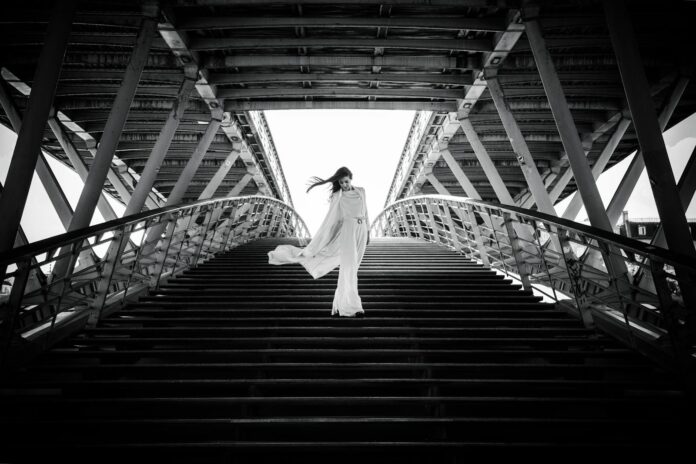

How to Shoot Black and White Photography: A Practical Guide for Photographers
Black and white photography remains one of the most enduring and expressive forms of visual storytelling. Despite digital photography’s color-rich capabilities, monochrome photography holds a unique ability to convey emotion, texture, and contrast in ways color sometimes cannot. As photographers, understanding how to shoot black and white photography is not just about desaturating an image; it’s about seeing the world differently and crafting images that stand the test of time.
For beginners and seasoned photographers alike, mastering black and white photography opens new creative doors and can even enhance your professional portfolio. Many clients appreciate the artistic depth black and white images bring, whether in portraits, street photography, or fine art commissions. However, the transition from color to black and white requires a shift in mindset and technique.
This comprehensive guide will walk you through the essential concepts, practical shooting tips, and post-processing steps to help you excel in black and white photography. We’ll also cover how understanding monochrome images can improve your photography business by attracting clients who crave classic, impactful visuals. Whether you shoot with a DSLR, mirrorless camera, or even a smartphone, the principles and workflows shared here are designed for real-world application.
By the end of this article, you’ll have a solid foundation to approach black and white photography confidently, enhance your editing skills, and leverage these images to grow your photography business. Let’s dive in and explore the art and craft behind shooting stunning monochrome photos.
Key Takeaways
– Black and white photography is about emphasizing composition, contrast, texture, and mood rather than color.
– Developing an eye for light and shadow is crucial to successful monochrome images.
– Use your camera’s settings creatively, including shooting in RAW and leveraging in-camera monochrome previews.
– Post-processing is an essential step in black and white photography, where you control tonal range and contrast to enhance storytelling.
– Practical monochrome photography tips include focusing on shapes, lines, patterns, and emotional content.
– Understanding the business side—such as marketing black and white prints and building a niche—can help you monetize your monochrome work.
– Avoid common mistakes like ignoring exposure or relying solely on desaturation; instead, adopt a holistic approach to shooting and editing.
– Taking action by practicing specific techniques, testing different subjects, and building a portfolio will accelerate your growth in black and white photography.
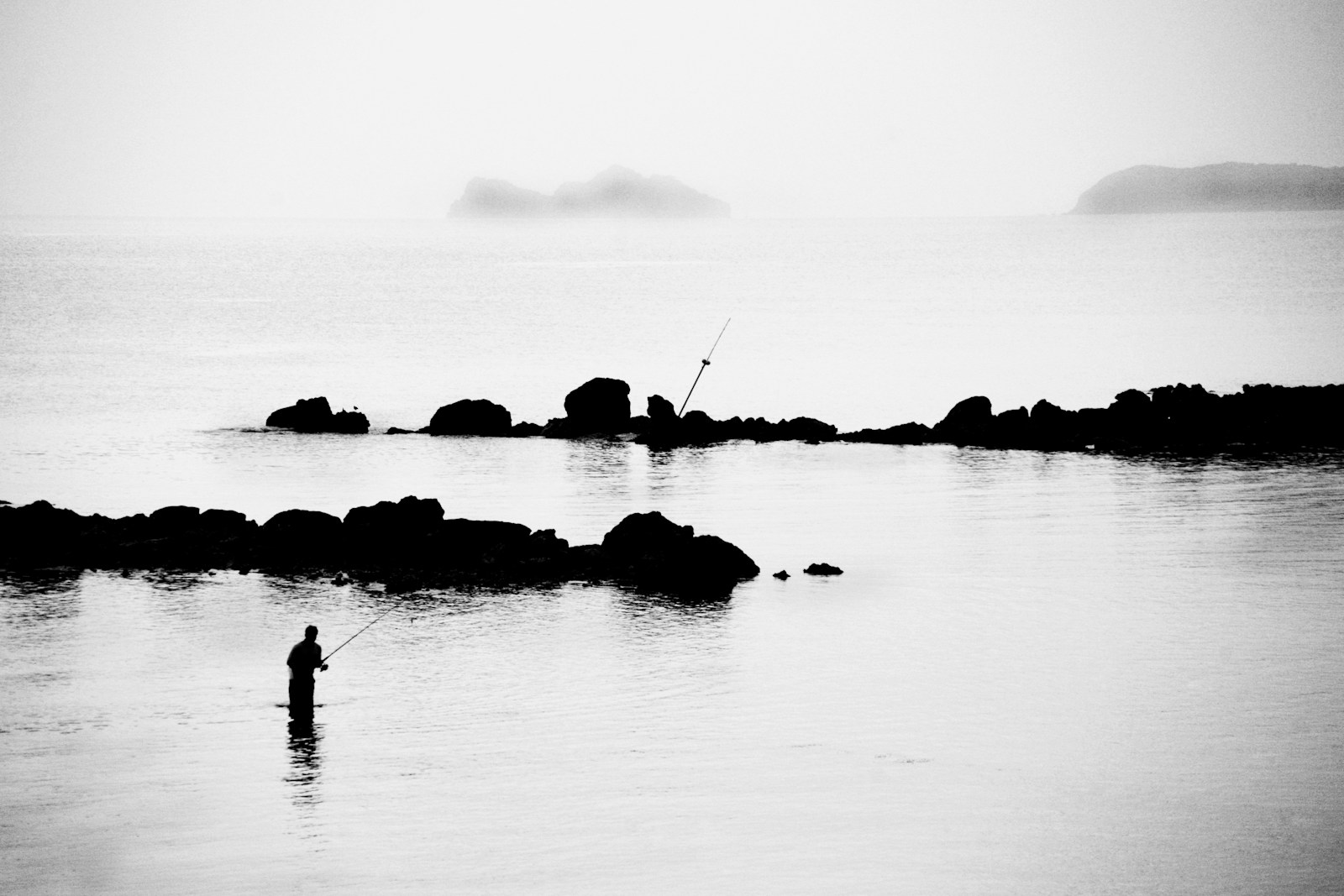
What Is Black and White Photography and Why Shoot It?
Black and white photography, often referred to as monochrome photography, involves capturing images without color, focusing instead on varying shades of gray from black to white. Unlike color photography, which relies heavily on hues to convey information and emotion, monochrome strips visuals down to their elemental contrasts and textures.
Why shoot black and white? The answer lies in its timelessness and ability to highlight story elements that color might overshadow. For example, in portraiture, black and white can emphasize expressions, wrinkles, and emotion without distraction. In street photography, it can enhance the drama of urban scenes by focusing on light and shadow.
Shooting black and white also encourages photographers to think more critically about composition and lighting. Since color cues are removed, you must rely on other visual elements like contrast, shape, and texture to create impactful images.
Practical example: Imagine photographing an elderly person’s face. In color, the wrinkles and subtle skin tones might be lost in distraction, but in black and white, those details become powerful storytelling tools that convey wisdom and experience.
How to See in Black and White: Developing Your Monochrome Vision
The first practical step to shooting black and white photography is learning to “see” in monochrome. This means training your eye to identify scenes that will translate well into black and white.
Look for:
– Strong contrasts: Areas where light meets shadow sharply.
– Textures: Rough surfaces, skin wrinkles, fabric folds, and natural patterns.
– Shapes and lines: Architectural lines, curves, and geometric forms.
– Mood and emotion: Scenes where color doesn’t add but might distract from the emotional content.
One practical method is to switch your camera to a monochrome shooting mode or use a black and white preview if your camera supports it. This allows you to see the scene through a black and white lens, helping you pre-visualize the final image.
Actionable tip: Carry a small sketchbook or use your phone to quickly note scenes with strong contrast or interesting textures you encounter during the day. This habit strengthens your monochrome vision over time.
Camera Settings and Techniques for Shooting Black and White Photography
While black and white images can be created in post-processing, capturing the right exposure and detail in-camera is vital. Here’s a practical step-by-step framework to optimize your camera settings for black and white photography:
1. Shoot in RAW: Always shoot in RAW format. RAW files contain the most image data, allowing greater flexibility during editing to adjust exposure and tonal range without losing quality.
2. Set your ISO thoughtfully: Keep ISO as low as possible to minimize noise, which can be more noticeable in monochrome images.
3. Use manual or aperture priority mode: Control depth of field to emphasize your subject or background textures.
4. Meter for highlights: Since black and white images rely on contrast, exposing for highlights ensures you retain detail in bright areas, which can be recovered in shadows during editing.
5. Enable monochrome preview: If your camera offers it, use the black and white preview mode to compose and visualize your shots.
6. Focus on light direction: Side lighting and backlighting often create strong shadows and textures that improve monochrome impact.
7. Experiment with filters: Use physical filters like red, orange, or yellow when shooting with a DSLR or mirrorless camera with interchangeable lenses. These filters enhance contrast by darkening skies or brightening skin tones in black and white.
Example scenario: When shooting street portraits, set your aperture to around f/4 to f/5.6 to get a shallow depth of field that isolates your subject from the background textures. Meter your exposure for the brightest parts of the face to preserve detail in highlights.
Composition Tips for Black and White Photography
Composition in black and white photography is paramount because color cues are absent. Here are practical monochrome photography tips to improve composition:
– Rule of thirds: Place key elements along grid lines or intersections to create balanced images.
– Leading lines: Use roads, fences, or architectural lines to guide the viewer’s eye.
– Patterns and repetition: Repeating shapes or textures add rhythm and interest.
– Negative space: Allow empty or dark areas to balance heavy visual elements.
– Contrast zones: Compose scenes with distinct light and dark areas to create drama.
– Focus on subject emotion: Black and white portraiture thrives on capturing raw emotion without distraction.
Practical example: When photographing a cityscape, look for patterns like rows of windows or repeating streetlights. Compose so that these patterns form a dynamic background for your main subject, such as a person or car.
Post-Processing Workflows for Black and White Photography
Post-processing is where black and white photography truly comes to life. Desaturation alone rarely produces compelling monochrome images. Instead, use editing tools to enhance tonal range, contrast, and texture.
A simple step-by-step black and white post-processing workflow:
1. Convert from RAW: Use software like Adobe Lightroom or Capture One to convert your RAW file to black and white.
2. Adjust tonal sliders: Use highlights, shadows, whites, and blacks sliders to increase contrast and reveal detail.
3. Fine-tune individual colors: Even though color is removed, sliders like red, yellow, and blue control how those colors convert in grayscale. For example, darkening skies by reducing blues enhances drama.
4. Clarity and texture: Increase clarity and texture sliders to emphasize fine details.
5. Use dodge and burn: Lighten or darken specific areas to guide the viewer’s focus and add depth.
6. Sharpen selectively: Apply sharpening to key details like eyes or textures while avoiding noise amplification.
7. Add grain (optional): Subtle grain can add an analog feel and enhance mood.
Example: In a portrait, increase the contrast between skin tones and background by darkening the background blues and brightening skin reds. Use dodge and burn to highlight eyes and facial contours.
Lighting Techniques for Effective Black and White Photography
Lighting is the backbone of black and white photography. Without color, light and shadow define the image’s mood and impact.
Key lighting tips:
– Use directional light: Side lighting creates shadows that reveal texture and shape.
– Shoot during golden or blue hour: Soft light enhances tonal gradients.
– Embrace harsh light: Midday sun can create strong shadows and abstract shapes ideal for monochrome.
– Use reflectors and diffusers: Control contrast and soften shadows when needed.
– Experiment with silhouettes: Backlit subjects against bright backgrounds create powerful black and white images.
– Artificial lighting: Studio strobes or flashes with modifiers can sculpt the subject’s features beautifully.
Practical example: For a black and white portrait, position your subject near a window with side lighting. This will create a range of shadows and highlights on the face, emphasizing texture and mood.
Building a Black and White Photography Portfolio for Your Business
Black and white photography can be a valuable niche for your photography business. Many clients seek monochrome images for editorial, fine art prints, or emotional portraits.
Steps to build a strong black and white portfolio:
1. Curate your best work: Select images that showcase a variety of subjects and styles but maintain a consistent monochrome aesthetic.
2. Tell a story: Group images that evoke a cohesive mood or theme.
3. Display before-and-after edits: Show how your post-processing enhances black and white images.
4. Offer prints and products: Many clients appreciate framed black and white prints or canvas wall art.
5. Create a dedicated portfolio section: Feature your monochrome work separately on your website.
6. Market to specific clients: Target editorial clients, art buyers, or portrait clients who appreciate black and white’s timeless quality.
7. Use social media: Share your black and white images with relevant hashtags (#blackandwhitephotography, #monochrome) and participate in communities focused on monochrome art.
Business tip: Hosting a black and white print exhibition or collaborating with local galleries can raise your profile and attract clients interested in artistic photography.
Common Mistakes
Many photographers fall into common traps when shooting or editing black and white photography. Avoid these pitfalls to improve your results:
1. Simply desaturating color images: Desaturation alone doesn’t create strong black and white photos. It flattens the image and loses control over tonal contrast.
2. Ignoring exposure: Overexposed or underexposed images lose detail critical for monochrome impact.
3. Relying on color to define the image: Black and white requires strong composition, light, and texture to hold interest.
4. Not shooting in RAW: JPEGs have limited data, reducing editing flexibility.
5. Overusing contrast adjustments: Excessive contrast can cause loss of detail and unnatural looks.
6. Ignoring shadows and highlights: Balanced tonal range is essential; blown-out highlights or blocked shadows weaken the image.
7. Neglecting subject matter: Not all scenes work in black and white. Avoid shooting subjects that rely on color information for meaning.
8. Poor focus on details: Lack of sharpness or clarity reduces the emotional power of monochrome photos.
9. Forgetting about mood: Black and white photography is about emotion as much as technique. Images lacking feeling can feel flat or sterile.
10. Not experimenting with filters or lighting: Physical or digital filters and creative lighting help add depth and interest.
By consciously avoiding these errors, you increase your chances of creating compelling and memorable black and white images.
What to Do Now
Ready to take your black and white photography to the next level? Here’s a practical action plan you can start today:
1. Practice seeing in monochrome: Spend a week shooting only in black and white mode on your camera or smartphone. Observe how scenes change without color.
2. Experiment with light and shadow: Shoot at different times of day and in varied lighting conditions. Focus on directional light to create texture.
3. Study black and white masters: Analyze the work of photographers like Ansel Adams, Henri Cartier-Bresson, or Dorothea Lange to understand their use of composition and contrast.
4. Shoot in RAW: Make sure you’re capturing files that allow full editing control.
5. Learn post-processing: Use Lightroom or another editor to practice converting images to black and white. Try adjusting individual color channels and using dodge and burn.
6. Build a monochrome portfolio: Select your best black and white shots and create a dedicated portfolio section on your website.
7. Market your skills: Share your black and white work on social media and photography forums, and tag relevant communities.
8. Seek client opportunities: Offer monochrome portraits or prints to existing clients, emphasizing the timeless and artistic benefits.
9. Join local or online exhibitions: Submit your work to monochrome photography contests or galleries.
10. Reflect and refine: After each shoot, review your images critically and note what worked or didn’t. Adjust your approach accordingly.
By following this action plan, you’ll develop your skills, build a solid portfolio, and position yourself as a photographer who specializes in powerful black and white images.
FAQs
Q1: Can I shoot black and white photography with any camera?
Yes, black and white photography can be created with any camera—from smartphones to professional DSLRs. The key is understanding light, composition, and post-processing. Many cameras have a monochrome mode preview, but shooting in RAW and converting in editing software gives you the most control over final results.
Q2: What are the best subjects for black and white photography?
Subjects with strong textures, contrasts, or emotional depth work best. Examples include portraits, street scenes, architecture, landscapes with dramatic skies, and abstract patterns. Avoid subjects that rely heavily on vibrant color for impact, as they may not translate well to monochrome.
Q3: How do I avoid flat-looking black and white images?
To avoid flatness, focus on capturing a broad tonal range—from deep blacks to bright whites—and use lighting that creates shadows and highlights. In post-processing, adjust contrast and clarity carefully, and use dodge and burn to add depth and dimension.
Q4: Should I use physical filters when shooting black and white?
Physical filters like red, orange, or yellow can enhance contrast and tonal separation in black and white photography, especially with DSLRs or mirrorless cameras. For example, a red filter darkens blue skies, making clouds stand out dramatically. If shooting digitally, you can simulate these effects in post-processing.
Q5: How can black and white photography benefit my photography business?
Offering black and white photography can differentiate your services and appeal to clients seeking timeless, artistic images. Black and white prints are popular for home decor and galleries, creating additional revenue streams. A strong monochrome portfolio can attract editorial work and commissions that value emotional storytelling.
Conclusion
Mastering black and white photography is a rewarding pursuit that enriches your creative vision and expands your professional capabilities. By learning how to shoot black and white photography thoughtfully—focusing on light, shadow, composition, and post-processing—you unlock the power to create images that resonate deeply and stand apart in a color-saturated world.
This guide has outlined practical, actionable tips and workflows that any photographer, from beginner to working professional, can apply immediately. Whether you’re capturing textured portraits, dramatic landscapes, or candid street moments, embracing monochrome sharpens your eye and hones your craft.
Moreover, integrating black and white photography into your business strategy enables you to offer clients unique, timeless products that highlight emotion and artistry. Building a dedicated portfolio, marketing effectively, and delivering quality prints can set you apart in a competitive photography market.
Remember, black and white photography isn’t just a technique—it’s a way of seeing. Practice regularly, study the masters, and experiment boldly. Over time, you’ll develop a monochrome style that reflects your unique voice and enriches your photographic journey.
Start today by looking at your world through a black and white lens—you might be surprised how much more there is to see.

