
How to Shoot Sharp Photos Every Time: Master Sharp Photos Photography
Introduction
Capturing sharp photos is fundamental to creating compelling images that stand out. Whether you are a beginner trying to improve your photography basics or an aspiring professional building a portfolio, mastering sharp photos photography is crucial. Blurry or soft images not only diminish the impact of your work but can also hurt your reputation if you are running a photography business. Clients expect crisp, clear photos that highlight details, and delivering that consistently can set you apart in a competitive market.
Sharpness in photography isn’t just about having the latest camera or lens—it’s about understanding how to control focus, camera settings, and shooting techniques to avoid those frustrating blurry photos. With the right approach, you can confidently shoot sharp images every time, even in challenging conditions.
In this comprehensive guide, we’ll walk through practical camera focus tips, step-by-step workflows, and real-world examples that will help you avoid blurry photos and elevate your photography skills. You’ll learn not only how to nail focus but also how to manage other factors that affect sharpness, including shutter speed, aperture, camera stability, and lighting.
By the end of this article, you will have a clear, actionable framework that you can implement immediately to improve your sharp photos photography—whether shooting portraits, landscapes, events, or commercial assignments.
Key Takeaways
– Sharp photos start with accurate focus; understanding your camera’s autofocus modes and how to choose the right one is essential.
– Avoiding blurry photos involves more than focus; shutter speed, aperture, ISO, and camera stability all play roles.
– Using a tripod or other stabilization methods can dramatically increase sharpness in low-light or long-exposure situations.
– Manual focus can be a powerful tool in tricky scenarios where autofocus might struggle.
– Reviewing images critically on location allows you to catch focus issues early and reshoot if needed.
– Proper lens selection and maintenance contribute significantly to image sharpness.
– Consistent practice combined with a methodical shooting workflow ensures you shoot sharp photos every time.
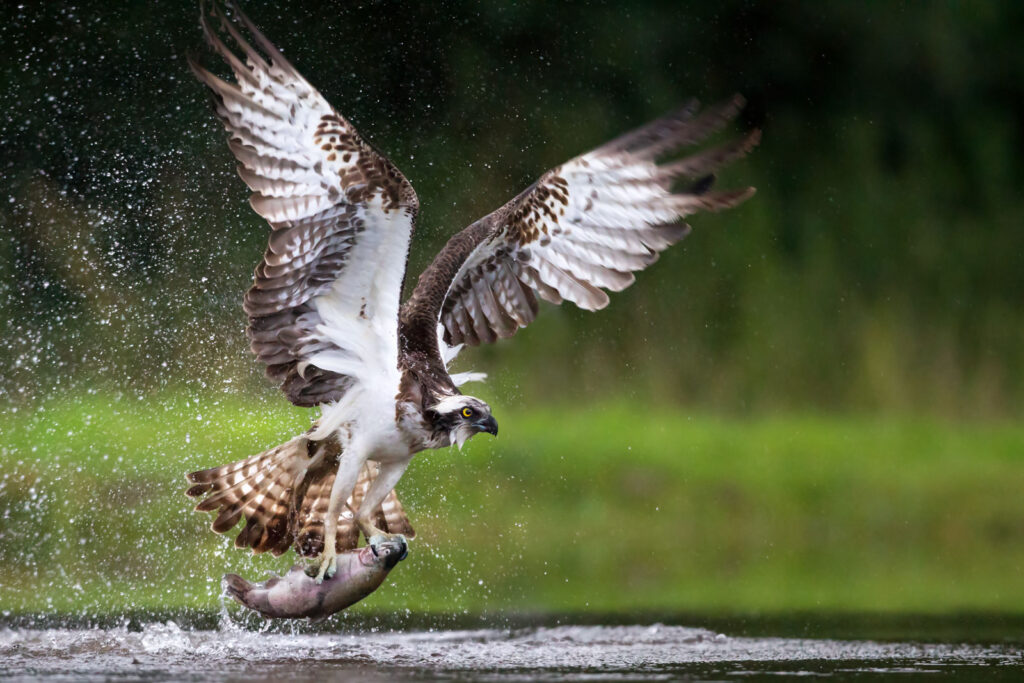
What Causes Blurry Photos and How to Avoid Them?
Blurry photos can be caused by a variety of factors, and understanding these is the first step toward consistently shooting sharp images.
1. Camera Shake: When the camera moves while the shutter is open, even slightly, it causes motion blur. This is especially common at slower shutter speeds.
2. Subject Movement: If your subject moves during exposure, it can result in blur.
3. Incorrect Focus: The most common reason for blurry photos is missing focus on the intended subject.
4. Lens Issues: Dirty or low-quality lenses can degrade sharpness.
5. Depth of Field and Aperture: Shooting at too wide an aperture can cause parts of your subject to fall out of the focus plane.
6. ISO Noise and Image Quality: High ISO can reduce image clarity, making photos appear less sharp.
How to avoid blurry photos:
– Use a faster shutter speed relative to your focal length (the “reciprocal rule”): For example, if you’re shooting at 100mm, use at least 1/100th of a second or faster.
– Stabilize your camera with a tripod, monopod, or image stabilization features.
– Use autofocus modes correctly, and switch to manual focus when necessary.
– Use smaller apertures (higher f-numbers) to increase depth of field, but avoid diffraction by not stopping down too much.
– Keep your lenses clean and well maintained.
– Increase ISO only as needed to maintain shutter speed without compromising sharpness.
Camera Focus Tips: How to Nail Focus Every Time
Sharp photos photography hinges on getting focus right. Here are practical camera focus tips to improve your results:
1. Understand your camera’s autofocus modes:
– Single-point AF: You select one focus point manually. Ideal for static subjects or portraits.
– Continuous AF (AI Servo/AF-C): The camera continuously adjusts focus for moving subjects. Perfect for sports or wildlife.
– Automatic AF: The camera chooses focus points automatically, which can be unreliable in tricky lighting or complex scenes.
2. Use focus lock:
Lock focus on your subject, then recompose if necessary to get the framing you want without changing the focus plane.
3. Focus on the eyes:
For portraits, the eyes must be tack sharp. Use single-point AF and place the focus point over the nearest eye.
4. Use back-button focus:
Separating focus from the shutter button gives you more control and can reduce missed shots.
5. Use live view and magnify:
On DSLRs and mirrorless cameras, using live view with magnification helps you precisely focus, especially in macro or product photography.
6. Manual focus for tricky situations:
In low light, or with low contrast subjects, autofocus may hunt or fail. Switch to manual focus and use focus peaking if your camera offers it.
The Role of Shutter Speed in Shooting Sharp Photos
Shutter speed is critical in sharp photos photography as it controls the duration the sensor is exposed to light. The longer the shutter is open, the greater the chance for motion blur from either camera shake or subject movement.
Key guidelines:
– Use a shutter speed faster than the reciprocal of your focal length (e.g., 1/200 sec for 200mm lens).
– Increase shutter speed for moving subjects to freeze action (e.g., 1/500 sec or faster).
– When shooting handheld in low light, raise ISO or open aperture to maintain faster shutter speed.
– Use burst mode to increase your chances of capturing a sharp frame in action shots.
Aperture and Depth of Field: Balancing Sharpness and Creative Control
Aperture affects depth of field (DOF), which is the zone of acceptable sharpness in front of and behind your focus point.
– Wide apertures (f/1.4 to f/2.8) give shallow DOF—great for portraits but require precise focus.
– Narrow apertures (f/8 to f/11) increase DOF, making it easier to get more of the scene sharp.
– Avoid very small apertures (f/16 and beyond) as diffraction can soften images.
Practical advice:
– For group photos or landscapes, use narrower apertures to keep everything sharp.
– For portraits, balance aperture to keep eyes sharp while softening backgrounds.
– Use focus stacking in macro or landscape photography when you need extensive DOF beyond what aperture can provide.
Stabilization Techniques to Avoid Camera Shake
Even the best focus won’t help if your camera moves during exposure.
Stabilization options:
– Tripods: The gold standard for stability in low light, long exposures, or macros.
– Monopods: Provide stability with more mobility.
– Image Stabilization (IS/VR): Many lenses and cameras feature stabilization that compensates for small shakes.
– Proper hand-holding technique: Hold camera close to your body, use your elbows as support, and exhale slowly when pressing the shutter.
Example:
A wedding photographer shooting indoors at a reception hall found that switching from 1/30 sec handheld shots to using a monopod and increasing ISO allowed for sharp images without flash, preserving natural light and atmosphere.
Lens Selection and Maintenance for Sharp Photos Photography
Your choice of lens and its condition have a significant impact on image sharpness.
Lens factors affecting sharpness:
– Prime lenses generally offer better sharpness than zooms.
– High-quality lenses with superior glass and coatings reduce aberrations.
– Shooting in the lens’s “sweet spot” aperture (usually between f/5.6 and f/8) yields sharper images.
– Avoid cheap filters or use high-quality UV filters to prevent degradation.
Maintenance tips:
– Regularly clean lens elements with microfiber cloths and lens cleaning solution.
– Store lenses properly to avoid dust and damage.
– Check for any mechanical issues like sticky focus rings or zoom creep.
Reviewing and Adjusting Focus in the Field
Good photographers don’t rely on luck—they check their work and adjust.
Workflow for sharp photos photography:
1. Review images on your camera’s LCD with zoom (at least 100%) to check focus.
2. Use focus peaking or focus confirmation indicators when available.
3. Reshoot if images are soft or focus is missed.
4. Adjust autofocus points or switch to manual focus when necessary.
5. Keep an eye on shutter speed and aperture settings as you shoot.
Scenario:
During a portrait session, a photographer noticed the eyes were slightly soft on the back of the camera. They switched from automatic autofocus to single-point AF with back-button focus and re-shot the images, resulting in tack-sharp portraits.
Post-Processing Tips to Enhance Sharpness Without Overdoing It
While sharpness primarily comes from good shooting technique, post-processing can help fine-tune your images.
– Use software like Adobe Lightroom or Photoshop to apply sharpening selectively.
– Avoid over-sharpening, which creates halos and unnatural edges.
– Use noise reduction carefully to balance sharpness and image clarity.
– For blurry images, some advanced tools offer motion blur correction, but they are no substitute for good technique.
Pro tip: Always sharpen your photos at the final output size, not at the full resolution, to maintain a natural look.
Common Mistakes
Shooting sharp photos consistently requires avoiding common pitfalls. Here are mistakes photographers often make and how to overcome them:
1. Relying on autofocus without understanding it:
Many beginners use autofocus modes without learning their camera’s AF system. This leads to missed focus and blurry photos. Spend time practicing with different AF modes and learn when to lock focus or switch to manual.
2. Using slow shutter speeds handheld:
Ignoring the reciprocal rule results in camera shake. Always match shutter speed to focal length or faster.
3. Focusing on the wrong part of the subject:
Especially in portraits, focusing on the nose or forehead instead of the eyes causes images to appear soft. Always prioritize the eyes or the most important subject detail.
4. Overusing wide apertures without precise focus:
Shooting wide open with shallow DOF requires perfect focus. If you’re struggling, stop down to increase DOF.
5. Neglecting camera and lens maintenance:
Dust, smudges, or damaged glass reduce sharpness. Regular cleaning is essential.
6. Not reviewing images during a shoot:
Assuming autofocus and settings are correct without checking can mean lost shots. Make it a habit to zoom in and verify sharpness on the spot.
7. Ignoring stabilization and hand-holding techniques:
Using poor grip or ignoring tripods causes unnecessary blur.
By recognizing these mistakes and applying corrective strategies, you’ll dramatically improve your ability to shoot sharp photos.
What to Do Now
If you want to shoot sharp photos every time, here’s a practical action plan to get started right away:
1. Learn your camera’s autofocus system:
Spend time experimenting with AF modes, focus points, and back-button focus. Practice locking focus and recomposing.
2. Practice proper hand-holding techniques:
Hold your camera close to your body, use both hands, and stabilize your elbows. When possible, use a tripod or monopod.
3. Apply the reciprocal shutter speed rule:
Match your shutter speed to your focal length (or faster). Increase ISO or open aperture to achieve this.
4. Focus on critical areas, especially eyes in portraits:
Make a habit of using single-point AF and placing the focus point precisely.
5. Use aperture to control depth of field:
Stop down for landscapes and groups, open up for portraits but maintain focus accuracy.
6. Review your images critically:
Zoom in on your camera’s LCD after each shot to confirm sharpness. Reshoot if necessary.
7. Maintain your gear:
Clean lenses regularly and keep your equipment in good condition.
8. Experiment with manual focus:
Try manual focusing in low light or for macro photography to gain more control.
9. Sharpen your images in post-processing carefully:
Enhance sharpness without overdoing it to maintain natural results.
Following these steps builds a solid foundation for sharp photos photography. Over time, these habits will become second nature, and your images will consistently impress clients, friends, and family.
FAQs
1. How can I avoid blurry photos when shooting handheld?
To avoid blurry photos handheld, use a shutter speed at least as fast as the reciprocal of your focal length (e.g., 1/100 sec for 100mm lens). Stabilize your camera by holding it close to your body with both hands, keep elbows tucked in, and exhale slowly when pressing the shutter. Using lenses with image stabilization or a monopod/tripod can also help. Increasing ISO or aperture to maintain faster shutter speeds in low light reduces blur from camera shake.
2. What autofocus mode should I use for sharp photos?
The best autofocus mode depends on your subject. Use single-point AF for stationary subjects or portraits to precisely control the focus point (usually on the eyes). For moving subjects, continuous AF (AI Servo or AF-C) tracks focus as the subject moves. Avoid automatic AF mode for critical shots since the camera may choose the wrong focus point. Learning to use back-button focus can improve control and sharpness.
3. When should I use manual focus instead of autofocus?
Manual focus is ideal in low light, macro photography, or scenes with low contrast where autofocus may struggle or hunt. It’s also useful for static subjects when you want precise control or when shooting through obstacles like glass. Using live view with magnification and focus peaking features helps achieve accurate manual focus. Practicing manual focus builds confidence and sharpness in challenging situations.
4. How does aperture affect photo sharpness?
Aperture influences depth of field and sharpness. Wide apertures (f/1.4–f/2.8) create shallow depth of field, requiring precise focus but producing creamy backgrounds. Narrower apertures (f/5.6–f/11) increase depth of field, making more of the image sharp. However, very small apertures (f/16 and smaller) can cause diffraction, softening images. Finding your lens’s “sweet spot” aperture, typically around f/5.6 to f/8, balances sharpness and depth of field.
5. Can post-processing fix blurry photos?
Post-processing can enhance sharpness slightly using sharpening tools in Lightroom or Photoshop, but it cannot fix out-of-focus or heavily blurred images. Over-sharpening can introduce artifacts and reduce image quality. The best approach is to capture sharp photos in-camera with proper focus and technique, then apply subtle sharpening adjustments during editing to enhance details naturally.
Conclusion
Shooting sharp photos every time is a skill that separates amateur snapshots from professional-quality images. By understanding and mastering sharp photos photography, you gain control over focus, camera settings, and shooting conditions. Using practical camera focus tips, controlling shutter speed and aperture, stabilizing your camera, and maintaining your gear will drastically reduce blurry photos and increase your confidence as a photographer.
Remember, sharpness is not an accident but the result of deliberate choices and consistent practice. Whether you run a photography business or shoot as a hobby, delivering crisp, clear images elevates your work and builds trust with clients. Developing a habit of reviewing your images on location and adjusting your workflow ensures you never miss that perfect sharp shot.
Start applying the actionable advice shared here today—from mastering autofocus modes to stabilizing your camera and choosing the right settings. Over time, these techniques will become second nature, and you’ll consistently capture sharp photos that tell your stories with clarity and impact.
Your journey to consistently shooting sharp photos begins with understanding the fundamentals and committing to thoughtful practice. Embrace these principles, and your photography will reach new levels of professionalism and artistic expression.

