
Outdoor Portrait Photography Tips: Mastering Natural Light and Location for Stunning Results
Introduction
Outdoor portrait photography offers a unique blend of creative freedom and natural beauty that studio settings often can’t replicate. From the warm glow of golden hour to the lush textures of a forest backdrop, shooting outdoors can elevate your portraits with rich, natural environments and authentic lighting. However, photographing people outside comes with its own set of challenges and opportunities that require specific skills and preparation.
Whether you’re a beginner photographer learning to harness natural light portrait photography or a seasoned pro looking to refine your outdoor shoot tips, this guide will walk you through everything you need to know. We’ll cover how to master natural light, choose the right locations, communicate with your subjects, and handle the unpredictable elements of outdoor photography.
Moreover, this article goes beyond the technical side—addressing real-world business strategies to help you book more outdoor portrait sessions, deliver consistent results, and build a photography brand known for stunning natural portraits.
You’ll find clear, step-by-step advice, practical scenarios, and actionable tips that you can apply immediately on your next outdoor shoot. By the end, you’ll have a solid framework for planning, executing, and delivering beautiful outdoor portraits that satisfy your clients and grow your photography business.
—
Key Takeaways
– Outdoor portrait photography relies heavily on understanding and controlling natural light. Learning how to modify and work with sunlight is crucial for flattering portraits.
– Choosing the right location is as important as mastering your camera settings. Consider backgrounds, time of day, and weather conditions to create compelling compositions.
– Communication and posing guidance are essential, especially in outdoor sessions where distractions might be more plentiful.
– Practical outdoor shoot tips include scouting locations, managing gear for different weather conditions, and preparing for environmental challenges.
– Consistency in delivering quality outdoor portraits helps build your business reputation and attracts repeat clients.
– Avoid common mistakes like harsh midday sun, poor posing, or neglecting environmental elements that can distract from the subject.
– A clear action plan before, during, and after the shoot ensures smooth workflow and client satisfaction.
These insights will help photographers of all levels improve their outdoor portrait photography skills and run a more efficient, client-focused photography business.
—
What Is Outdoor Portrait Photography and Why Is It Important?
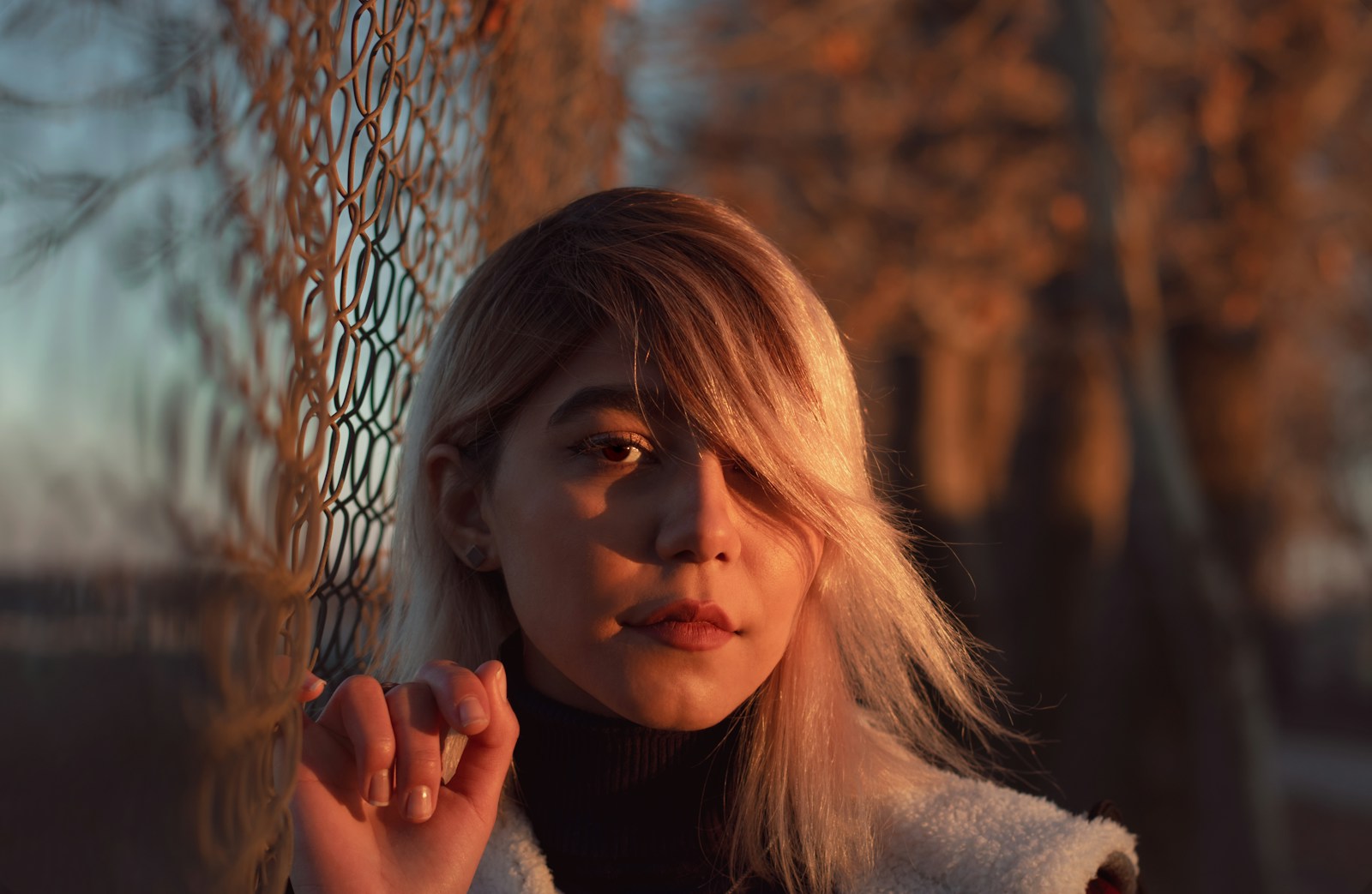
Outdoor portrait photography is the art and practice of capturing images of people in natural environments rather than controlled studio settings. This style is important because it leverages the dynamic qualities of natural light and real-world backdrops, creating portraits that feel organic, vibrant, and emotionally engaging.
Natural light portrait photography, a subset of outdoor portraiture, emphasizes using sunlight as the primary light source. This can range from soft, diffused light on an overcast day to the dramatic shadows of early morning or late afternoon sun.
Outdoor portrait sessions reflect real life—people in authentic environments, which often leads to more relaxed, natural expressions compared to studio shoots. This authenticity is highly valued in personal branding, lifestyle photography, and family portraits.
For photographers, mastering outdoor portrait photography expands your creative toolkit and market opportunities. Clients increasingly desire sessions that convey lifestyle and environment, making outdoor portraits highly sought after.
—
How to Master Natural Light in Outdoor Portrait Photography
Natural light is the foundation of successful outdoor portrait photography, but it’s also one of the most challenging elements to control. Here’s a straightforward approach to mastering this essential component:
1. Understand the Quality of Light
Light quality varies throughout the day. Harsh midday sun produces strong shadows and highlights that are often unflattering for portraits. Soft, diffused light—such as on cloudy days or during golden hour (the hour after sunrise or before sunset)—creates gentle shadows and pleasing skin tones.
2. Use Reflectors and Diffusers
When shooting in bright sunlight, a diffuser can soften harsh light falling directly on your subject’s face. Reflectors bounce light back into shadowed areas, filling in dark spots under the eyes or chin. These tools give you control without needing artificial lighting.
3. Position Your Subject Thoughtfully
Position your subject so that the sun is behind or to the side, creating a natural rim or hair light. This technique prevents squinting and harsh shadows on the face. You can use fill flash or reflectors for balancing light on the front.
4. Meter for the Subject, Not the Background
Outdoor scenes often have varied lighting—bright backgrounds with shaded faces. Meter for your subject’s skin tone rather than the overall scene to avoid underexposed or overexposed portraits.
5. Use Manual Settings to Control Exposure
Adjust aperture, shutter speed, and ISO manually. A wider aperture (f/1.8–f/4) helps isolate the subject with a creamy background blur, while a faster shutter speed freezes motion in windy or active outdoor environments.
Example: During a recent family shoot at a park, I positioned the family under a large tree that filtered sunlight softly onto their faces. Using a white reflector, I bounced light into shadowed areas, ensuring even skin tones and natural expressions. The result was warm, vibrant portraits that required minimal retouching.
—
Choosing the Best Locations for Outdoor Portrait Photography
Location selection can make or break an outdoor portrait session. The background, ambient light, and environment all contribute to the mood and story your portraits tell.
Key considerations for picking locations:
– Accessibility and Comfort
Choose spots that are easy to reach and comfortable for your clients—especially for family or senior portraits. Avoid locations with difficult terrain or hazards.
– Background and Foreground Elements
Look for uncluttered backgrounds that won’t distract from your subject. Natural textures like trees, flowers, water bodies, or architectural elements add depth and interest.
– Lighting Conditions
Scout locations at different times to understand how sunlight interacts with the surroundings. A location that works well at golden hour might be too dark or harsh midday.
– Environmental Factors
Consider weather patterns, insect presence, and noise levels. Urban settings may offer dynamic backgrounds but can be noisy or crowded. Natural settings provide tranquility but may require permits or additional preparation.
Step-by-step location scouting framework:
1. Research potential sites online and gather images.
2. Visit each location at the time you plan to shoot.
3. Note light direction, shadow patterns, and background elements.
4. Assess client comfort factors like parking, seating, and shelter.
5. Choose your primary location and one backup in case of weather changes.
Mini Case Study: For a senior portrait session, I scouted a botanical garden two days before the shoot. I noted that a particular flower bed caught warm light just before sunset, providing a colorful, soft backdrop. Having this knowledge allowed me to plan poses and camera settings ahead, resulting in a smooth, efficient shoot day.
—
Essential Outdoor Shoot Tips for Preparing and Executing Successful Sessions
Preparation sets the stage for smooth outdoor portrait sessions. Here’s a practical checklist and tips for outdoor shoot success:
– Gear Preparation
Pack essential equipment: camera, lenses (a 50mm or 85mm prime lens is ideal for portraits), reflectors, diffusers, extra batteries, memory cards, and a tripod if needed.
– Clothing and Props
Advise clients to wear comfortable clothes that complement the environment. Avoid distracting patterns. Props should be minimal and meaningful to the subject.
– Weather Planning
Check forecasts and have a contingency plan for rain or extreme weather. Bring rain covers for gear and portable shade like umbrellas or pop-up tents.
– Time Management
Schedule sessions during optimal natural light windows (early morning or late afternoon). Allocate time for location changes and breaks.
– Posing and Communication
Prepare simple posing guides and communicate clearly with your subjects. Use cues to help them relax and look natural.
– Safety and Permissions
Obtain necessary permits for shooting in public or private locations. Ensure client safety—especially when shooting near water, cliffs, or uneven terrain.
Actionable Tip: Create a pre-shoot checklist tailored to outdoor sessions. Send it to clients ahead of time so they understand what to expect and how to prepare.
—
How to Pose Subjects Naturally in Outdoor Portrait Photography
Posing is critical to flattering outdoor portraits, especially since natural environments can make clients feel self-conscious or distracted.
Guidelines for natural posing:
– Start with Simple Poses
Begin with straightforward standing or seated poses to build confidence. Encourage slight weight shifts or leaning on natural supports like tree trunks.
– Use Movement
Incorporate gentle movement, such as walking toward the camera, turning the head, or playing with hair. Movement adds life and reduces stiffness.
– Engage with the Environment
Have subjects interact with their surroundings—touching leaves, looking at flowers, or sitting on a bench. This creates authentic moments.
– Facial Expressions
Use prompts like “think of a happy memory” or “look just past me” to elicit genuine smiles and relaxed expressions.
– Group Posing
For family or group shoots, stagger heights and angles to avoid flat layouts. Encourage connections like holding hands or leaning on each other.
Example: During an outdoor engagement session, I asked the couple to walk slowly hand in hand while chatting. This natural interaction produced candid smiles and genuine intimacy that posed shots rarely achieve.
—
Editing Workflow Tips for Outdoor Portrait Photography
Editing outdoor portraits requires a balance between enhancing natural beauty and maintaining authenticity.
Editing workflow framework:
1. Culling and Selection
Use software like Adobe Lightroom to review and select the best images based on sharpness, expression, and composition.
2. Basic Adjustments
Adjust exposure, contrast, and white balance to correct natural light inconsistencies. Outdoor shoots often need slight tweaks to shadows and highlights.
3. Skin Retouching
Use subtle retouching techniques to smooth skin without losing natural texture. Avoid heavy airbrushing that looks artificial.
4. Color Grading
Enhance colors to complement the natural environment—boost greens in foliage or warm tones in skin. Use split toning or LUTs sparingly.
5. Cropping and Composition
Crop for tighter framing or to remove distractions. Maintain natural horizon lines and balanced composition.
6. Export Settings
Export images in high resolution for print and optimized sizes for web delivery.
Actionable Advice: Develop a Lightroom preset tailored for your outdoor portraits. This speeds up your workflow and maintains a consistent look across sessions.
—
Building Your Photography Business with Outdoor Portrait Sessions
Outdoor portrait photography is a lucrative niche that can set your business apart. Here are strategies to grow your business around outdoor shoots:
– Market Your Unique Style
Showcase your best outdoor portraits on social media and your website. Highlight your expertise in natural light portrait photography and your ability to find beautiful locations.
– Offer Seasonal Packages
Create packages that leverage seasonal changes—spring blossoms, summer sunsets, autumn colors, winter snow. This encourages repeat clients throughout the year.
– Client Education
Provide clients with clear information on what to expect during outdoor shoots and how to prepare. This reduces no-shows and improves satisfaction.
– Partnerships
Collaborate with local businesses such as florists, wedding planners, or clothing boutiques to cross-promote your services.
– Efficient Workflow
Streamline your booking, shooting, editing, and delivery processes using client management tools. Efficient service leads to positive reviews and referrals.
– Pricing Strategy
Factor in additional time and expenses outdoor sessions may require, such as travel and permits. Be transparent with clients about costs.
Mini Case Study: After launching a series of seasonal outdoor mini sessions marketed on Instagram, I saw a 30% increase in bookings during shoulder seasons when indoor sessions typically slow down. Clear communication and quick turnaround on images helped build trust and repeat business.
—
Common Mistakes
Outdoor portrait photography can be highly rewarding but also prone to common pitfalls that can undermine your results. Here are mistakes to avoid:
– Shooting in Harsh Midday Sun
Direct overhead sunlight creates unflattering shadows and causes subjects to squint. Instead, schedule shoots early or late in the day or use shade.
– Ignoring Background Distractions
Busy or cluttered backgrounds draw attention away from the subject. Always check your frame for unwanted elements like trash cans, poles, or people.
– Poor Communication with Subjects
Not guiding your subjects in posing or expression leads to stiff, unnatural portraits. Spend time building rapport and giving clear instructions.
– Overusing Flash or Artificial Light
While fill flash can help, overpowering natural light with flash creates unnatural looks. Use flash subtly and blend it with ambient light.
– Neglecting Weather Contingencies
Failing to prepare for rain, wind, or cold can cause canceled shoots or rushed sessions. Have backup plans and gear ready.
– Not Scouting Locations in Advance
Arriving at a location blind can waste time and miss better photo spots. Always scout beforehand.
– Overediting Images
Heavy-handed retouching or unnatural color grading can ruin the organic feel of outdoor portraits. Aim for subtle enhancements.
– Forgetting Client Comfort
Long sessions without breaks or poor location choices can make clients uncomfortable, resulting in forced smiles or rushed poses.
Avoiding these mistakes will improve both the quality of your outdoor portraits and the overall client experience, helping you grow a successful photography business.
—
What to Do Now
Ready to take your outdoor portrait photography to the next level? Here’s a straightforward action plan to get started:
1. Plan Your Next Outdoor Shoot
Choose a local park, garden, or urban location that you know well. Schedule your session during golden hour for optimal lighting.
2. Scout and Prepare
Visit your chosen location ahead of time to note light patterns and potential backgrounds. Prepare your gear with reflectors, diffusers, and extra batteries.
3. Create a Client Prep Guide
Write a simple guide for your clients explaining what to wear, when to arrive, and what to expect. This reduces stress and improves session flow.
4. Practice Posing and Communication
Use friends or family as models to practice natural posing and giving clear directions. Record your sessions to review and improve.
5. Develop a Basic Editing Preset
Create or download a Lightroom preset for outdoor portraits to speed up your post-production workflow.
6. Market Your Outdoor Sessions
Share before-and-after images on social media with relevant hashtags like #OutdoorPortraitPhotography and #NaturalLightPortraitPhotography. Include testimonials from clients.
7. Review and Refine
After each session, evaluate what went well and what could improve. Adjust your workflow and client communication accordingly.
By following these steps, you’ll build confidence, improve your technical and interpersonal skills, and deliver consistently beautiful outdoor portraits that clients love.
—
FAQs
1. What is the best time of day for outdoor portrait photography?
The best time is during the golden hour—shortly after sunrise or just before sunset. During these times, the sunlight is soft and warm, producing flattering, even light that minimizes harsh shadows. Avoid shooting in midday sun when light is strongest and can create unflattering contrasts and squinting. Overcast days also provide excellent diffused light for portraits.
2. How can I manage harsh sunlight in outdoor portraits?
Use natural shade like trees or buildings to shield your subject from direct sunlight. Alternatively, employ a diffuser to soften the light or a reflector to fill shadows. Positioning your subject with the sun behind them creates a backlit effect that reduces squinting and harsh shadows, which you can balance with a reflector or fill flash.
3. What camera settings work best for outdoor portrait photography?
Use a wide aperture (f/1.8 to f/4) for a shallow depth of field that blurs the background and isolates your subject. Keep ISO as low as possible to reduce noise, typically around 100-400 depending on light. Adjust shutter speed to properly expose the image, generally faster than 1/200 to avoid motion blur, especially if hand-holding the camera.
4. How do I make clients feel comfortable during outdoor shoots?
Build rapport before and during the session by chatting casually and explaining what you’re doing. Give simple, clear posing instructions, encouraging natural movements and expressions. Incorporate breaks and allow clients to interact with the environment to ease tension and create authentic moments.
5. Should I use artificial light during outdoor portrait sessions?
Artificial light, such as fill flash or portable LED panels, can be helpful for balancing shadows or adding catchlights. However, it should be used subtly to complement natural light rather than overpower it. Overuse of artificial light outdoors risks unnatural-looking portraits, so practice blending both light sources carefully.
—
Conclusion
Outdoor portrait photography is a rewarding and versatile genre that offers photographers an exciting playground of natural light and environments to create beautiful, authentic images. Mastering this craft requires a solid understanding of natural light portrait photography principles, careful location selection, thoughtful posing, and thorough preparation.
By integrating the outdoor shoot tips shared here—ranging from technical lighting control to client communication and business strategies—you can deliver consistently stunning portraits that resonate with clients and help grow your photography business.
Remember, the key to success in outdoor portrait photography lies not only in technical skill but also in your ability to create a comfortable, engaging experience for your subjects. With practice, patience, and planning, you’ll develop a workflow that turns every outdoor session into a memorable storytelling opportunity.
Start applying these tips today, and watch your outdoor portraits and client satisfaction soar.
Happy shooting!

