
Photography Gear Beginners Actually Need: Your Essential Guide to Starting Right
Introduction
Starting your photography journey is exciting but can quickly become overwhelming when faced with the vast array of camera gear and equipment options available. As a beginner photographer, it’s easy to get caught up in the allure of expensive lenses, flashy gadgets, or the latest camera bodies. However, the truth is that most beginners don’t need a complicated or extensive photography equipment list to capture stunning images or start a photography business.
Understanding the photography gear for beginners that truly matters can save you money, reduce frustration, and accelerate your learning curve. The right gear should serve your creative vision and help you build a solid foundation for your photography skills and business. This guide breaks down the essential camera gear and accessories you genuinely need to start shooting confidently, grow your portfolio, and even begin working with clients.
We’ll explore practical, real-world advice on selecting beginner-friendly equipment, how to prioritize your purchases based on your photography style, and smart workflow tips for getting the most out of your gear. Whether you’re a hobbyist looking to improve your craft or an aspiring professional ready to launch a photography business, this article will help you put together a photography equipment list that works—not just one that looks impressive on paper.
By the end of this guide, you’ll understand exactly what gear to invest in, what to skip or postpone, and how to optimize your beginner camera gear for both creativity and business success.
—
Key Takeaways
– Start with a reliable beginner camera and lens combo: Focus on a versatile camera body and a quality standard zoom lens or prime lens that suits your photography style. This forms the backbone of your beginner camera gear.
– Prioritize gear that supports learning and versatility: Avoid buying specialized or expensive equipment too early. Choose gear that helps you understand fundamentals like exposure, composition, and lighting.
– Build a practical photography equipment list: Include essential accessories like memory cards, batteries, a tripod, and basic lighting to enhance your shooting experience and professional workflow.
– Invest in quality over quantity: A few well-chosen pieces of gear are more valuable than a large collection of gear you don’t know how to use or won’t use often.
– Plan your gear purchases around your photography goals: Whether it’s portrait, landscape, or event photography, your gear should align with your style and business needs.
– Understand the role of gear in your photography business: Gear should support client work, efficient workflows, and consistent image quality.
– Avoid common beginner mistakes: Don’t fall into the trap of gear obsession or buying the most expensive options thinking it guarantees better photos.
This guide equips you with actionable advice to create a beginner camera gear setup that’s practical, budget-friendly, and suited to your photographic ambitions.
—
Main Content
What Is Essential Photography Gear for Beginners to Get Started?
When beginning your photography journey, it’s crucial to focus on gear that enables you to learn and create effectively. The core of your beginner camera gear should be a camera body and a lens that offer flexibility and ease of use.
1. Camera Body:
Choose a camera that is user-friendly, reliable, and offers manual controls. Entry-level DSLR or mirrorless cameras from reputable brands like Canon, Nikon, Sony, or Fujifilm provide excellent value. For example, the Canon EOS Rebel series or Nikon D3500 are well-regarded beginner cameras with intuitive controls and good image quality.
2. Lens:
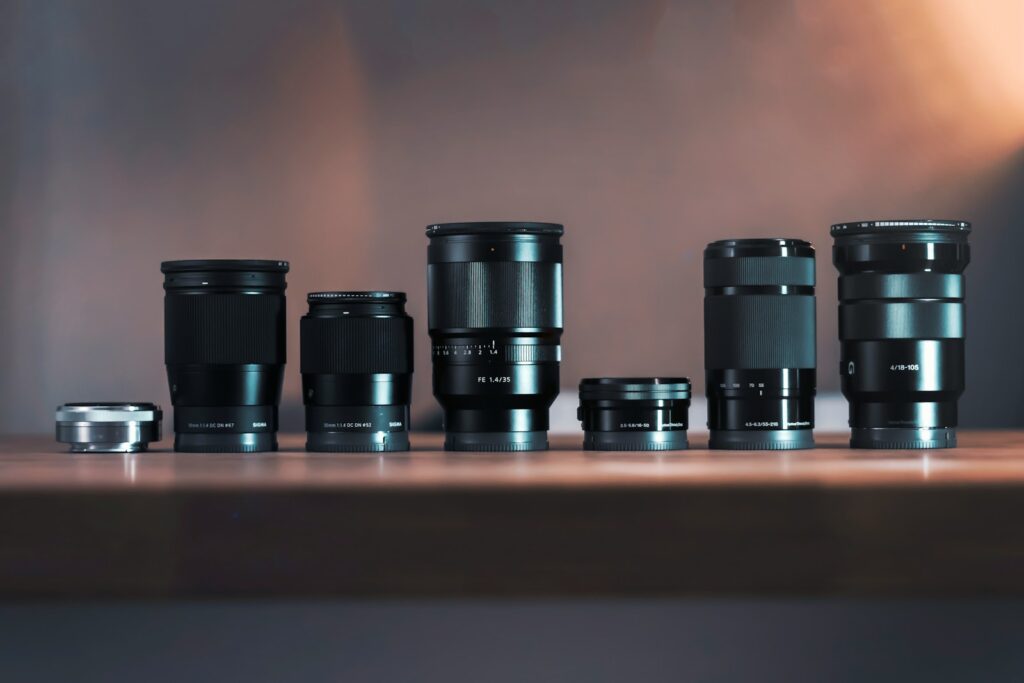
A versatile lens like an 18-55mm kit zoom lens or a 35mm prime lens is ideal. The zoom lens covers a broad range of focal lengths, perfect for experimenting with different compositions. A 35mm prime offers sharper images and encourages creative framing but requires moving physically to compose shots.
 Neha
Neha
3. Memory Cards and Batteries:
Always have at least two high-speed SD cards; this ensures you don’t lose shots due to full memory or card failure. Spare batteries are essential—nothing halts a shoot faster than a dead camera.
4. Tripod:
A lightweight, sturdy tripod helps with long exposures, landscapes, and low-light shooting. It also aids in learning composition and stability.
5. Camera Bag:
A practical bag or backpack that protects your gear and organizes your equipment is a must-have.
Example:
Jessica, a beginner portrait photographer, started with a Nikon D3500 and the 18-55mm lens. She learned lighting and posing through workshops and added a tripod and reflector to her kit over time. This practical gear setup allowed her to grow without overwhelming investment.
—
How to Choose the Right Beginner Camera Gear Based on Your Photography Style
Your photography style influences the gear you need. Buying gear that fits your creative direction from the start is more productive than acquiring random equipment.
Portrait Photography:
– Essential gear: A DSLR or mirrorless camera with good autofocus and a fast prime lens (50mm f/1.8 or 85mm f/1.8).
– Additional gear: Reflectors, external flash, and backdrops for controlling light.
Landscape Photography:
– Essential gear: Camera with good dynamic range, a sturdy tripod, and wide-angle lenses (10-24mm or 16-35mm).
– Additional gear: ND filters, weather-sealed camera gear, and a remote shutter release.
Event Photography:
– Essential gear: Camera with fast continuous shooting and reliable autofocus, a versatile zoom lens (24-70mm or 70-200mm).
– Additional gear: Extra batteries, flash units, and fast memory cards.
Action/Sports Photography:
– Essential gear: Camera with high burst rate and quick autofocus, telephoto zoom lenses (70-200mm f/2.8).
– Additional gear: Monopod for mobility and extra memory cards.
Actionable Tip:
Before buying, list your photography goals and research gear that professionals in that niche use. Rent or borrow equipment to test if possible.
—
Building a Photography Equipment List That Supports Learning and Business Growth
Creating your photography equipment list should balance learning needs with business functionality. Start minimal and expand as your skills and client base grow.
Step 1: Core Gear
– Camera body and lens (discussed above)
– Memory cards (minimum two, 32GB or higher)
– Extra batteries
– Camera bag
Step 2: Support Gear
– Tripod for stability
– Cleaning kit to maintain gear longevity
– Basic lighting: Reflector and external flash or speedlight
Step 3: Business-Ready Gear
– Laptop or tablet for quick client previews
– External hard drive for backups
– Editing software (Adobe Lightroom, Photoshop, or free alternatives like Darktable)
Step 4: Optional Accessories
– Remote shutter release
– Lens filters (polarizer, UV)
– Backdrops or props for studio work
Example:
Mark, an aspiring wedding photographer, began with a Canon Rebel T7i and a 24-70mm lens. As he booked clients, he invested in an extra flash and a backup camera body to ensure reliability during events.
—
How to Prioritize Your Gear Purchases to Avoid Overwhelm and Waste
Budget constraints and the sheer volume of available gear can paralyze beginners. Prioritizing purchases based on immediate needs and learning goals is key.
Framework for Prioritizing Gear Purchases:
1. Essentials First: Camera body, basic lens, memory cards, and batteries.
2. Fix Current Gaps: If you struggle with stability, buy a tripod. If lighting is a challenge, invest in reflectors or speedlights.
3. Backup and Redundancy: As you move into client work, add backup gear.
4. Upgrade or Expand: Once comfortable, upgrade lenses or add specialty gear like studio lighting.
Practical Advice:
– Avoid buying multiple lenses at once; master one before adding more.
– Resist the urge to buy “upgrades” until you outgrow your current gear.
– Use online communities and forums to research gear reviews and real user experiences.
—
Beginner Camera Gear Maintenance and Care Tips
Proper maintenance extends the life of your photography gear and ensures consistent performance.
Daily Care:
– Always store your camera in a padded bag.
– Avoid changing lenses in dusty or humid environments to prevent sensor damage.
– Use lens caps and body caps when not shooting.
Cleaning Routine:
– Use a blower brush to remove dust from lenses and sensors.
– Gently clean lens surfaces with microfiber cloth and lens cleaning solution.
– Wipe camera body with a dry, soft cloth.
Battery and Memory Card Care:
– Charge batteries fully before storage.
– Format memory cards in-camera regularly to prevent corruption.
– Use high-quality, reliable memory cards to avoid data loss.
Example:
Sarah noticed sensor dust spots in her images because she changed lenses outdoors often without precautions. After learning proper care, image quality improved, and she avoided costly professional sensor cleaning.
—
How Essential Photography Gear Supports Efficient Workflow and Client Management
Efficient workflows are as critical as capturing great photos, especially when transitioning from hobbyist to professional.
Gear That Supports Workflow:
– Reliable memory cards and backup drives ensure data security.
– Portable laptop or tablet allows quick client previews and image culling onsite.
– External hard drives and cloud backups protect your images from loss.
– Consistent gear reduces setup time and technical issues during shoots.
Client Management Tools:
– Use your gear to produce consistent quality that builds client trust.
– Integrate tethering cables or wireless setups to show clients their images live during sessions.
– Invest in portable lighting that can adapt to diverse client environments.
Actionable Advice:
– Develop a checklist for gear and backups before every shoot.
– Practice quick gear setup and teardown to maximize shooting time.
– Use simple file naming and backup protocols for easy image retrieval.
—
How to Avoid Common Photography Gear Mistakes Beginners Make
Many beginners make predictable mistakes that can slow progress or waste money. Recognizing these pitfalls helps you avoid them.
Mistake 1: Buying Too Much Gear Too Soon
Beginners often equate more gear with better photos. In reality, mastering one lens and camera first is more beneficial.
Mistake 2: Chasing the Latest Technology
New camera models or “must-have” gadgets rarely justify the cost when starting out. Focus on fundamentals.
Mistake 3: Ignoring Essential Accessories
Skipping memory cards, batteries, or tripod purchases leads to missed shots or poor quality.
Mistake 4: Buying Gear Without Testing
Purchasing expensive lenses or cameras without hands-on testing can result in unhappy buyers.
Mistake 5: Neglecting Maintenance
Poor gear care leads to sensor dust, lens fungus, or battery failure.
—
Common Mistakes
When building your beginner camera gear kit, it’s easy to fall into common traps that can hinder your photography progress and business growth. Avoid these mistakes by being mindful of how you approach gear purchases and usage.
Overinvesting Early:
New photographers often overspend on high-end gear before developing their skills. This leads to underutilized equipment and financial strain. Focus on gear that helps you learn, not impress.
Ignoring Practicality:
Some beginners buy gear based on brand hype or peer pressure rather than what suits their shooting style and workflow. For example, buying a specialty lens for macro photography when you shoot landscapes wastes resources.
Neglecting Backup Gear:
Failing to have extra batteries, memory cards, or backup cameras during client shoots can cause disaster. Always prepare for the unexpected.
Underestimating Accessories:
Basic items like a tripod, cleaning kits, and protective bags are often overlooked but are vital for consistent results and gear longevity.
Skipping Hands-On Testing:
Buying gear without renting or trying first can lead to mismatched equipment that’s hard to use or doesn’t meet your needs.
Poor Gear Maintenance:
Not cleaning lenses or sensors regularly can degrade image quality and damage your gear over time.
Relying Too Much on Gear Over Skill:
Believing that expensive gear can replace learning photography fundamentals is a recipe for frustration.
—
What to Do Now
If you’re new to photography and feeling overwhelmed by gear, here’s a simple action plan to build your beginner camera gear setup wisely:
1. Assess Your Photography Goals:
Write down what type of photography you want to pursue. Portraits, landscapes, events, or something else? Your gear choices depend on this.
2. Research Beginner-Friendly Cameras:
Look for models with good reviews for beginners. Ask local photography groups for hands-on opinions or rent cameras to test.
3. Start with a Basic Lens:
Purchase a versatile zoom lens or a prime lens known for sharpness and ease of use. Practice shooting with it exclusively for several months.
4. Gather Essential Accessories:
Buy at least two reliable memory cards, extra batteries, and a tripod. These will support your learning and prevent common shooting issues.
5. Learn Gear Maintenance:
Watch tutorials or read guides on cleaning and caring for your camera and lenses to keep them in good working condition.
6. Practice Consistently:
Use your gear daily or weekly to understand its strengths and limitations. Experiment with settings and lighting.
7. Build Your Workflow:
Set up a simple system for backing up images, editing, and client communication. This will prepare you for professional work.
8. Expand Gear Gradually:
Only buy additional lenses, lighting, or backup gear when your current setup no longer meets your needs or business requires it.
9. Stay Educated:
Follow photography educators, join forums, and attend workshops to improve both your skills and gear knowledge.
—
FAQs
Q1: What is the best beginner camera gear for portrait photography?
For portrait photography beginners, a DSLR or mirrorless camera with good autofocus and a fast prime lens like a 50mm f/1.8 is ideal. This lens offers sharp images and beautiful background blur, helping you learn composition and lighting. Adding a reflector or external flash can improve lighting control without a large investment.
Q2: How many lenses should a beginner photographer start with?
Beginners should start with one versatile lens, such as a standard zoom (18-55mm) or a 35mm/50mm prime lens. Mastering one lens helps you understand focal lengths and composition. As your skills grow, you can add specialized lenses suited to your style.
Q3: Is it necessary to buy a tripod as beginner photography gear?
Yes, a tripod is highly recommended. It stabilizes your camera for sharper images, especially in low light or long exposures. It also aids in composition and practicing slow shutter techniques. Lightweight and affordable tripods are sufficient for beginners.
Q4: What photography equipment list do I need to start a small photography business?
At minimum, you need a reliable camera body, one or two good lenses, extra batteries, memory cards, a tripod, and a basic lighting setup (such as a speedlight). Additionally, a laptop for editing, external drives for backups, and client management tools complete the business toolkit.
Q5: Should I buy new or used beginner camera gear?
Buying used gear can be a smart way to save money, especially for lenses and camera bodies. Ensure you purchase from reputable sources and test the equipment thoroughly. New gear comes with warranties and the latest features but may be more expensive. Balance your budget and comfort with used gear carefully.
—
Conclusion
Choosing the right photography gear for beginners is a foundational step in your photographic journey and business development. By focusing on essential, beginner-friendly equipment, you set yourself up for success without unnecessary complexity or expense. The core of your gear should be a reliable camera body paired with a versatile lens that matches your photography style. Supplement this with practical accessories like memory cards, batteries, and a tripod to create a solid, functional photography equipment list.
Remember, gear alone doesn’t make great photos—skill, creativity, and workflow matter just as much. Prioritize learning your camera’s capabilities, practicing composition and lighting, and maintaining your equipment. A thoughtful approach to gear selection and care will support your growth and help you build a sustainable photography business.
Avoid the common pitfalls of gear obsession or buying the latest technology without purpose. Instead, invest wisely, expand your kit gradually, and align your purchases with your photography goals. With the right gear and mindset, you’ll be ready to capture stunning images, impress clients, and enjoy every step of your photography adventure.
Start simple, stay practical, and let your creativity guide your gear choices. Your photography gear for beginners should empower you—not overwhelm you. Now, it’s time to pick up your camera, apply what you’ve learned, and start shooting with confidence.

