
Wedding Photography Checklist for Beginners: Your Ultimate Guide to Capturing the Big Day
Introduction
Wedding photography is one of the most rewarding yet challenging genres for photographers, especially beginners. It’s a day filled with emotions, fleeting moments, and once-in-a-lifetime memories. As a photographer, you’re not just capturing images—you’re preserving stories for your clients to cherish forever. But with so many moving parts on a wedding day, it’s easy to feel overwhelmed if you don’t come prepared.
That’s where a wedding photography checklist becomes indispensable. This tool helps you stay organized, ensures you don’t miss important moments, and keeps your workflow smooth from start to finish. For beginners, understanding what shots to prioritize, how to manage your gear, and how to communicate effectively with clients can make the difference between a stressful shoot and a successful one.
In this guide, we’ll walk you through a carefully crafted wedding photography checklist tailored for beginners. You’ll learn how to plan your shoot, what shots to include in your wedding photography shot list, how to prepare your gear, and tips to manage the business side of things. Whether you’re shooting your first wedding or looking to improve your approach, this article offers actionable advice you can apply immediately. Let’s dive into the essentials that will prepare you to capture beautiful weddings with confidence and professionalism.
—
Key Takeaways
– A wedding photography checklist is critical to stay organized and capture all key moments without stress.
– Preparing a detailed wedding photography shot list tailored to each couple helps you cover essential images and personalized requests.
– Proper gear preparation, including backups, ensures you’re ready for any situation on the wedding day.
– Effective communication with clients and vendors ahead of time prevents misunderstandings and helps smooth the shooting process.
– Understanding the flow of a typical wedding day allows you to anticipate moments, manage your time, and avoid missing important shots.
– Incorporating wedding photography tips like scouting locations, mastering lighting, and having a second shooter can elevate your work.
– Learning common mistakes and having a clear action plan post-shoot will improve your workflow and client satisfaction.
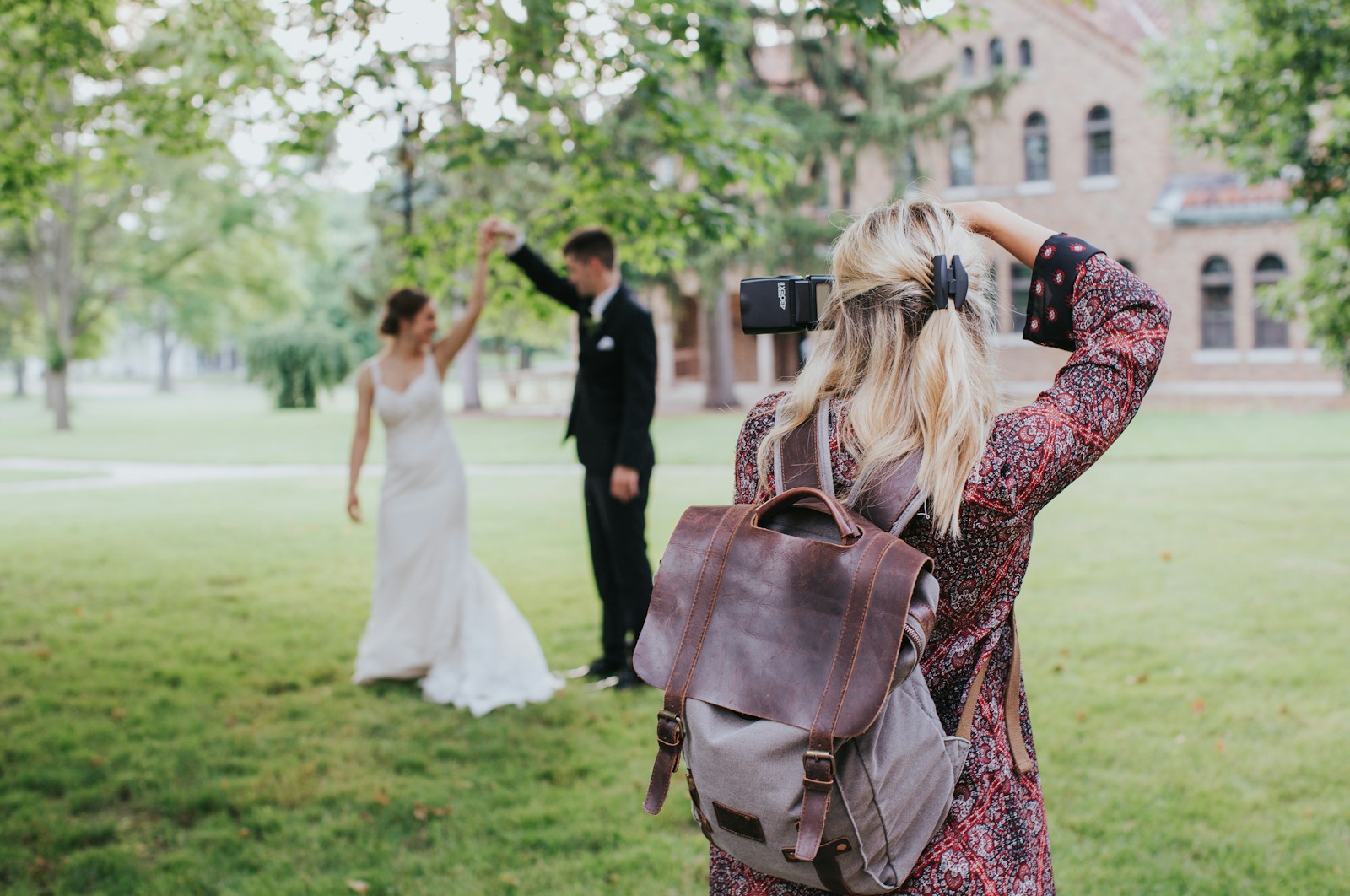
1. What Is a Wedding Photography Checklist and Why Do You Need One?
A wedding photography checklist is a comprehensive list of tasks, shots, and preparations that help you organize your wedding shoot from start to finish. For beginners, it acts as a roadmap to ensure nothing important slips through the cracks during the hectic wedding day.
Why is it essential? Weddings move fast. You have limited time to capture everything—getting ready shots, ceremony moments, family portraits, and reception festivities. Without a checklist, you risk missing key memories or forgetting to bring vital gear. It also helps you stay calm and focused, reducing stress and allowing you to be more creative.
A good checklist includes:
– Pre-wedding preparations (client meetings, location scouting)
– Gear checklist (cameras, lenses, batteries, memory cards)
– Timeline overview (ceremony start, portraits, reception)
– Essential shot list (formal portraits, candid moments)
– Post-production and delivery reminders
Having this plan in place means you can focus on your craft instead of scrambling to remember what’s next.
—
2. How to Build a Winning Wedding Photography Shot List
One of the most critical parts of your checklist is the wedding photography shot list. This list outlines the specific images you want to capture, helping you stay efficient and consistent.
A typical shot list includes:
– Preparation shots: Bride and groom getting ready, details like dress, rings, invitations
– First look: Emotional moment between couple before ceremony
– Ceremony: Walking down the aisle, vows, ring exchange, first kiss
– Family portraits: Key family groupings, couple with parents and siblings
– Wedding party: Bridesmaids, groomsmen, candid interactions
– Couple portraits: Romantic shots with different backgrounds and lighting
– Reception: First dance, speeches, cake cutting, dancing, candid guest moments
Practical tip: Always discuss the shot list with your clients beforehand. Some couples want traditional posed images, while others prefer candid storytelling. Tailor your list accordingly.
Example: For a smaller, intimate wedding, you might simplify the family portraits to just immediate family. For a larger event, prepare a detailed family grouping list to avoid chaos on the day.
—
3. Essential Wedding Photography Tips for Beginners
While checklists and shot lists keep you organized, knowing how to execute is equally important. Here are actionable wedding photography tips to improve your results:
– Scout the venue in advance: Visit the location or request photos to plan your shots and lighting setups.
– Prepare for lighting challenges: Weddings often mix indoor ambient light with flash. Practice balancing natural and artificial light.
– Use multiple lenses: A fast prime lens (like 50mm f/1.8) is great for portraits, while a zoom (24-70mm) offers flexibility.
– Bring backup gear: Extra batteries, memory cards, and even a second camera body are lifesavers.
– Arrive early: This gives you time to set up and capture venue details without rushing.
– Build rapport with the couple and guests: Friendly interaction helps relax everyone, leading to more natural photos.
– Have a second shooter: If possible, bring an assistant or second photographer to cover angles you can’t reach alone.
By combining technical skills with interpersonal awareness, you’ll deliver images that truly capture the wedding day’s spirit.
—
4. How to Manage Your Gear and Backup Plans on Wedding Day
Gear failure or forgetting equipment can derail your entire shoot. Managing your gear efficiently is a key part of your wedding photography checklist.
Step-by-step gear management:
– Checklist your equipment: Create a gear list including cameras, lenses, flashes, batteries, chargers, memory cards, batteries, tripod, reflectors.
– Pack the night before: Organize everything in your bag so you don’t forget essentials under wedding day pressure.
– Carry backups: Always bring spare camera bodies, lenses, and batteries. Weddings are unpredictable, and gear failure is a risk.
– Memory cards: Use multiple cards with ample space. Format them before the shoot to avoid corruption.
– Test your gear: Check functionality and charge batteries fully before the day.
– On-site preparation: Arrive early to set up and test lighting conditions or flash setups.
Example: A beginner photographer once faced a dead battery mid-ceremony, but a fully charged backup camera saved the day. This is why redundancy is not optional.
—
5. How to Coordinate With Clients and Vendors for Smooth Weddings
Your role as a wedding photographer extends beyond taking pictures; effective communication with clients and vendors is crucial.
– Pre-wedding consultation: Meet or video call your clients to understand their vision and clarify expectations.
– Confirm the timeline: Request the wedding day schedule and identify key moments to photograph.
– Discuss the shot list: Get input from the couple and family on must-have shots.
– Coordinate with vendors: Connect with the wedding planner, videographer, or officiant to understand logistics and avoid conflicts.
– Explain your process: Let clients know when you’ll deliver proofs, how many photos to expect, and post-production timelines.
This level of communication reduces surprises and creates a professional atmosphere. It also helps you anticipate where to be and when, so you don’t miss critical moments.
—
6. How to Capture Natural and Candid Moments on the Big Day
While posed portraits are important, candid moments often tell the real story of a wedding. Developing the ability to capture these requires observation and subtlety.
Tips for candid wedding photography:
– Stay alert and unobtrusive: Blend into the background so guests forget you’re there.
– Use a longer lens: This allows you to capture natural expressions without intruding.
– Anticipate moments: Watch interactions closely—tears during vows, laughter during speeches, children playing.
– Shoot in burst mode: Capture multiple frames quickly to increase chances of the perfect expression.
– Be ready during transitions: Moments between formal events often produce genuine emotion.
Example: During a wedding reception, a photographer noticed a grandmother wiping away tears while watching the couple dance. Capturing this quiet moment added emotional depth to the gallery.
—
7. Post-Production Workflow: Organizing and Editing Your Wedding Photos
Your job isn’t done when the ceremony ends. A structured post-production workflow ensures timely delivery and client satisfaction.
– Backup immediately: Copy all photos to at least two separate drives.
– Cull your images: Use software like Lightroom to select the best shots, deleting duplicates and unusable photos.
– Basic corrections: Adjust exposure, white balance, and crop for composition.
– Advanced edits: Retouch skin, remove distractions, enhance colors while maintaining natural look.
– Create client galleries: Use online galleries for client proofing and downloads.
– Deliver on time: Communicate timelines and stick to them to build trust.
Developing a consistent workflow saves time and improves your reputation as a reliable professional.
—
8. Pricing and Contracts: Protecting Your Photography Business
Starting out, it’s easy to overlook the business side of wedding photography, but contracts and pricing are vital.
– Set clear pricing: Research local market rates and decide what packages you offer (hours, number of photos, albums).
– Use written contracts: Outline deliverables, payment terms, cancellation policies, and usage rights.
– Require deposits: This protects you from last-minute cancellations.
– Discuss overtime fees: Weddings often run late; clarify charges for additional hours.
– Keep communication professional: Treat clients respectfully but firmly to maintain boundaries.
A solid contract and clear pricing structure protect you legally and financially, allowing you to focus on your art.
—
Common Mistakes
Many beginner wedding photographers make similar mistakes that can impact the shoot’s success and client satisfaction. Being aware of these will help you avoid them.
– Underestimating preparation: Not scouting the venue or discussing the timeline with clients leads to missed shots or poor lighting.
– Insufficient gear backup: Relying on a single camera or lens risks disaster if equipment fails.
– Ignoring client preferences: Not customizing the shot list can disappoint clients expecting specific images.
– Poor time management: Spending too long on posed shots and rushing candid moments, or vice versa.
– Failing to communicate: Lack of clear communication with clients and vendors causes confusion on the wedding day.
– Over-editing photos: Heavy retouching or unnatural colors can detract from the authenticity of wedding photos.
– Not having a contract: This exposes you to payment disputes or liability issues.
– Forgetting essentials: Missing batteries, memory cards, or attire like comfortable shoes can derail your day.
– Neglecting self-care: Weddings are long days; fatigue leads to mistakes and lower quality work.
Learning from these mistakes early can boost your professionalism and client trust.
—
What to Do Now
If you’re a beginner wedding photographer eager to improve, here’s a clear action plan to get started with your wedding photography checklist:
1. Draft Your Own Checklist: Use this guide as a template and customize your checklist based on your style and client needs.
2. Create a Basic Shot List Template: Start with standard wedding shots and add personalized requests from clients.
3. Plan Your Gear Kit: List all necessary equipment and pack a backup kit for every shoot.
4. Schedule Pre-Wedding Consultations: Reach out to your clients early to plan the timeline and discuss expectations.
5. Scout Venues Whenever Possible: Familiarize yourself with lighting and locations ahead of time.
6. Practice Shooting in Different Lighting: Experiment with ambient light, flash, and mixed lighting scenarios.
7. Learn Basic Editing Skills: Start with Lightroom or similar software and develop an efficient workflow.
8. Write a Simple Contract: Use online templates and tailor them to your services.
9. Build Your Network: Connect with other vendors and photographers to learn and find support.
10. Simulate a Wedding Day: Practice by photographing friends or staged events to build confidence.
By taking these steps, you’ll move from uncertainty to readiness, increasing your chances of delivering beautiful, memorable wedding photos.
FAQs
Q1: How many photos should I deliver to clients after a wedding?
The number of photos varies depending on the length of the wedding and your shooting style. For a full-day wedding, it’s typical to deliver between 400-800 edited images. It’s important to communicate this estimate upfront in your contract, so clients understand what to expect. Focus on quality rather than quantity—clean, well-composed images that tell the story of the day.
Q2: What is the best camera gear for beginner wedding photographers?
For beginners, a versatile setup includes a DSLR or mirrorless camera with two lenses: a fast prime lens (like 50mm f/1.8) for portraits and low-light situations, and a zoom lens (24-70mm f/2.8) for flexibility. Bring extra batteries and memory cards. Avoid overcomplicating gear at first—master your camera and lenses before adding more.
Q3: How do I handle difficult lighting situations at weddings?
Weddings often present mixed lighting—natural light, tungsten bulbs, and flashes. The key is to understand your camera’s exposure settings and white balance. Use off-camera flash or reflectors to fill shadows when indoors. Scouting locations ahead helps you plan. When in doubt, shoot in RAW to allow for easier correction in post-processing.
Q4: Should I work with a second shooter?
Having a second shooter is highly recommended, especially for beginners. They can cover different angles, capture moments you might miss, and help with group shots. It also adds professionalism and allows you to focus on the primary shots. If hiring a second shooter is not feasible, consider training an assistant to help with gear and logistics.
Q5: How do I stay calm and confident during a wedding shoot?
Preparation is key to confidence. Use a detailed checklist, know your gear inside out, and rehearse your shot list. Arrive early and build rapport with the couple to ease nerves. Focus on your breathing and take moments to pause if overwhelmed. Remember, weddings are about capturing genuine moments, not perfection. Practice and experience will naturally build your calm presence.
—
Conclusion
A wedding photography checklist is your essential tool to navigate the fast-paced, high-pressure environment of wedding days. For beginner photographers, it provides structure and confidence, helping you capture every crucial moment while managing the complexities of the event. By preparing a detailed shot list tailored to your clients, organizing your gear, communicating clearly with everyone involved, and honing your technical skills, you set yourself up for success.
Wedding photography is as much about storytelling as it is about technical proficiency. Your ability to anticipate moments, work efficiently, and build relationships will shine through in your images. Remember, no two weddings are the same, so flexibility and adaptability are important qualities.
Start by creating your personalized checklist and practicing with smaller events before stepping into bigger weddings. Keep learning from each shoot, refine your workflow, and maintain professionalism with contracts and pricing. Over time, this approach will not only improve your photos but also help grow your photography business sustainably.
Ultimately, your goal is to deliver timeless memories your clients will treasure. With the right checklist and preparation, you can confidently turn wedding days into beautiful stories told through your lens. Happy shooting!

